SAFETY AND COMMUNITY
The One Earth Sequestration (OES) project is designed with safety, transparency, and community partnership at its core. This page outlines how the project is engineered for safety, how OES works with local responders, and how we engage with the community to support preparedness and build trust.
Commitment to Community Safety
OES follows the U.S. Environmental Protection Agency’s Class VI Underground Injection Control (UIC) regulations — the most protective well standards in the nation. These rules ensure that CO₂ is injected deep underground in a way that protects drinking water, land, and public health.
Safety planning includes:
Engineering controls
Continuous monitoring
Emergency response coordination
Regulatory oversight
Public transparency
How Safety Is Built Into the Project
Deep Geologic Containment
CO₂ is stored more than a mile underground in the Mt. Simon Sandstone, beneath multiple layers of low‑permeability rock that act as natural barriers to fluid movement.
Well Construction Standards
The injection well is built with multiple layers of steel casing and cement, including CO₂‑resistant cement across the injection and confining zones. These materials are selected to remain stable in CO₂ environments and maintain long‑term integrity.
The well includes:
Surface and intermediate casing cemented to surface
Long‑string casing made of corrosion‑resistant alloy
CO₂‑resistant cement across the injection interval
A hydraulic‑set packer and corrosion‑inhibited annular fluid
Downhole pressure and temperature gauges
These design features ensure long‑term protection of groundwater and the environment.
Continuous Monitoring
OES uses a comprehensive monitoring system that operates 24/7. This includes continuous pressure and temperature monitoring, acoustic monitoring, annulus pressure tracking, and real‑time measurement of injection rate and volume. Groundwater sampling occurs in multiple formations, and mechanical integrity testing is performed regularly to verify well performance and safety.
Emergency Response Planning
OES works closely with local fire departments, county emergency management agencies, law enforcement, 911 dispatch, and regional hazardous materials teams. The project maintains a detailed Emergency Response Plan (ERP) developed with local officials, which outlines CO₂ hazard awareness, emergency procedures, responder roles, and communication pathways. The plan includes pipeline and wellsite access coordination, notification protocols, and joint training exercises to ensure readiness and effective response.
Training for Local Responders
OES provides training and resources to local responders, including:
CO₂ behavior and safety
Pipeline and wellsite familiarization
Monitoring system overview
Incident command coordination
Tabletop and field exercises
Training is updated as the project progresses and as new federal rules are finalized.
Coordination With County Emergency Management
OES collaborates with county emergency managers to:
Integrate project information into county emergency plans
Establish communication pathways
Ensure responders have real‑time contact information
Support public safety outreach
Public Safety Measures
To protect the community, OES implements:
24/7 monitoring of pressure, temperature, and flow
Automated alarms and shutoff systems
Remote pressure and flow controls
Regular inspections and mechanical integrity testing
CO₂‑resistant well construction materials
Groundwater monitoring in multiple formations
These measures work together to prevent incidents and ensure rapid response if needed.
Regulatory Oversight
Safety is enforced through:
U.S. EPA — Class VI well permitting and monitoring
PHMSA — CO₂ pipeline safety
Illinois Department of Natural Resources — drilling and well construction
County emergency management agencies — local coordination
Community Engagement & Preparedness Activities
Since 2022, OES has actively engaged with local stakeholders, emergency responders, and community organizations to support preparedness and build trust..
Key activities include:
Holding more than 100 community meetings, including sessions with farmers, landowners, local environmental groups, chambers of commerce, and other stakeholders.
Meeting with legislators and state agency leadership to answer questions and discuss project details.
Collaborating with geoscientists, engineers, and industry professionals to apply technical expertise to the project.
Developing a monitoring strategy to ensure project activities protect natural resources.
Working closely with local emergency management officials, fire departments, and hospitals to develop emergency operations and response plans.
Supporting local responders by providing safety equipment and training opportunities.
Demonstrating that OES possesses the financial, managerial, legal, and technical qualifications required for successful carbon dioxide capture and sequestration.

Strengthening First Responder Preparedness
OES supports first responders through CO₂ pipeline safety and hazardous materials training. One Earth Sequestration is committed to enhancing public safety by supporting specialized training for first responders who may encounter hazardous materials and CO₂ pipeline emergencies. These efforts are guided by Eric West, retired Fire Chief of Bloomington, Illinois, who serves as a consultant to the organization.
Recent Training: Pipeline Emergencies – First Responder Awareness
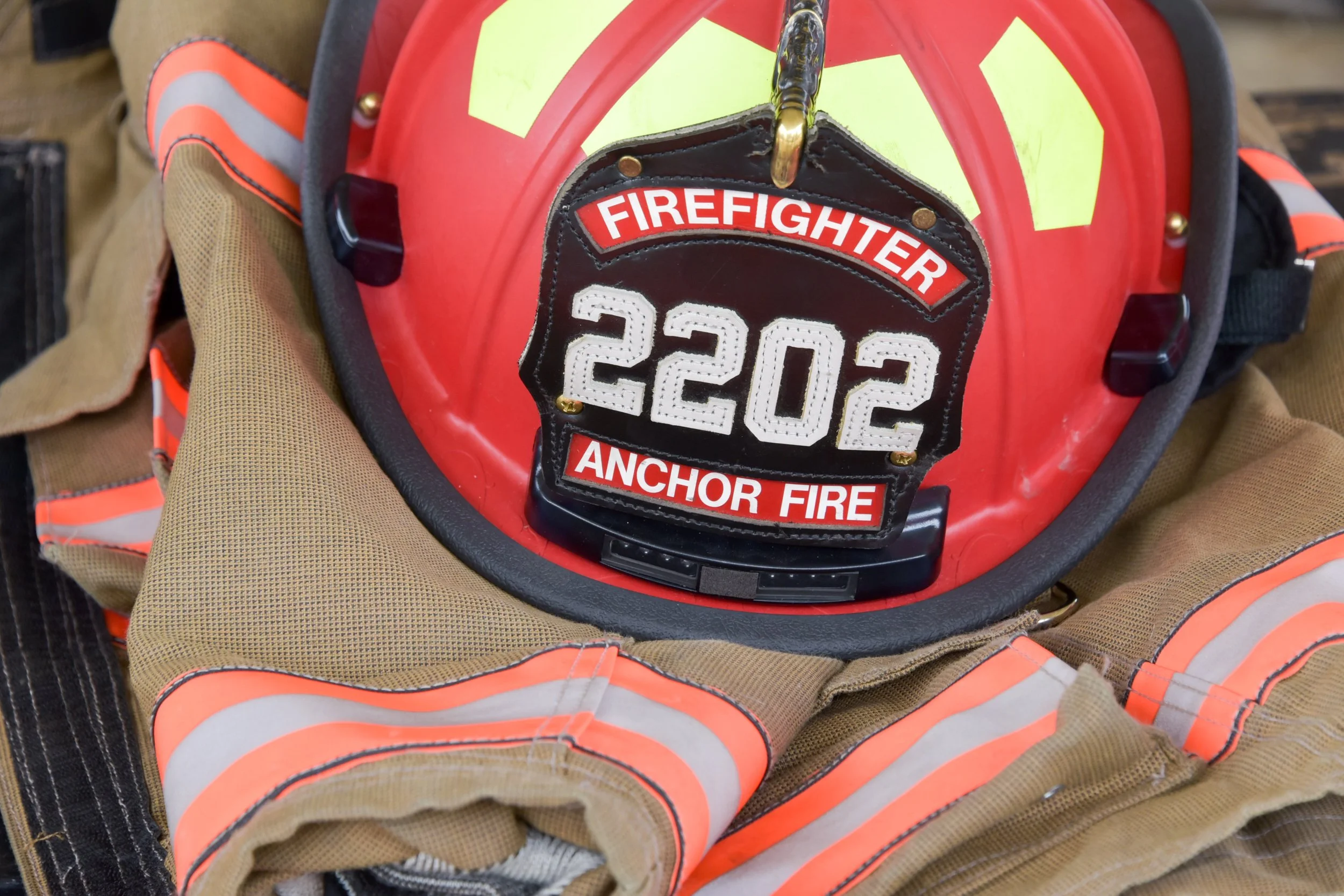
On January 24, 2026, One Earth Sequestration hosted a Pipeline Emergencies – First Responder Awareness Course at the Gibson City Fire Station. The four-hour course provided essential knowledge for personnel who respond—or may respond—to pipeline incidents.
Participants learned how to:
Identify the presence of pipelines
Recognize potential product releases
Conduct effective risk assessments
Implement appropriate public safety actions
Communicate with pipeline operators and response agencies
The training was attended by 15 firefighters from the Gibson City, Saybrook, Arrowsmith, and Bellflower fire districts, along with three members of the Ford County Emergency Management Agency.
“The appreciation from attendees has been clear. Firefighters consistently express how valuable this training is because it directly applies to situations they could face in the field.” — Eric West
Advanced Training Supported in 2025
In addition to local training, One Earth Sequestration supported advanced education opportunities throughout 2025, including:
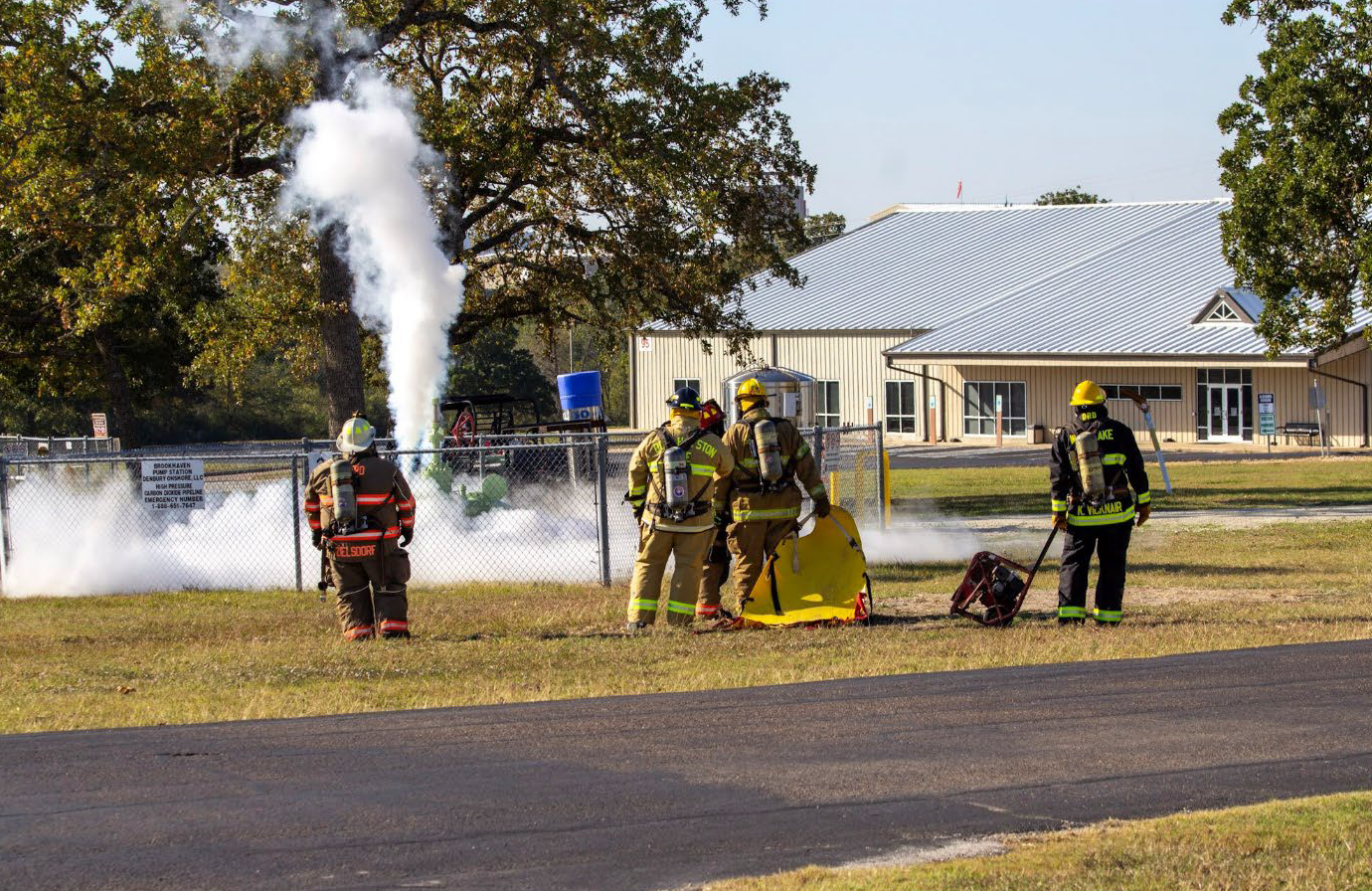
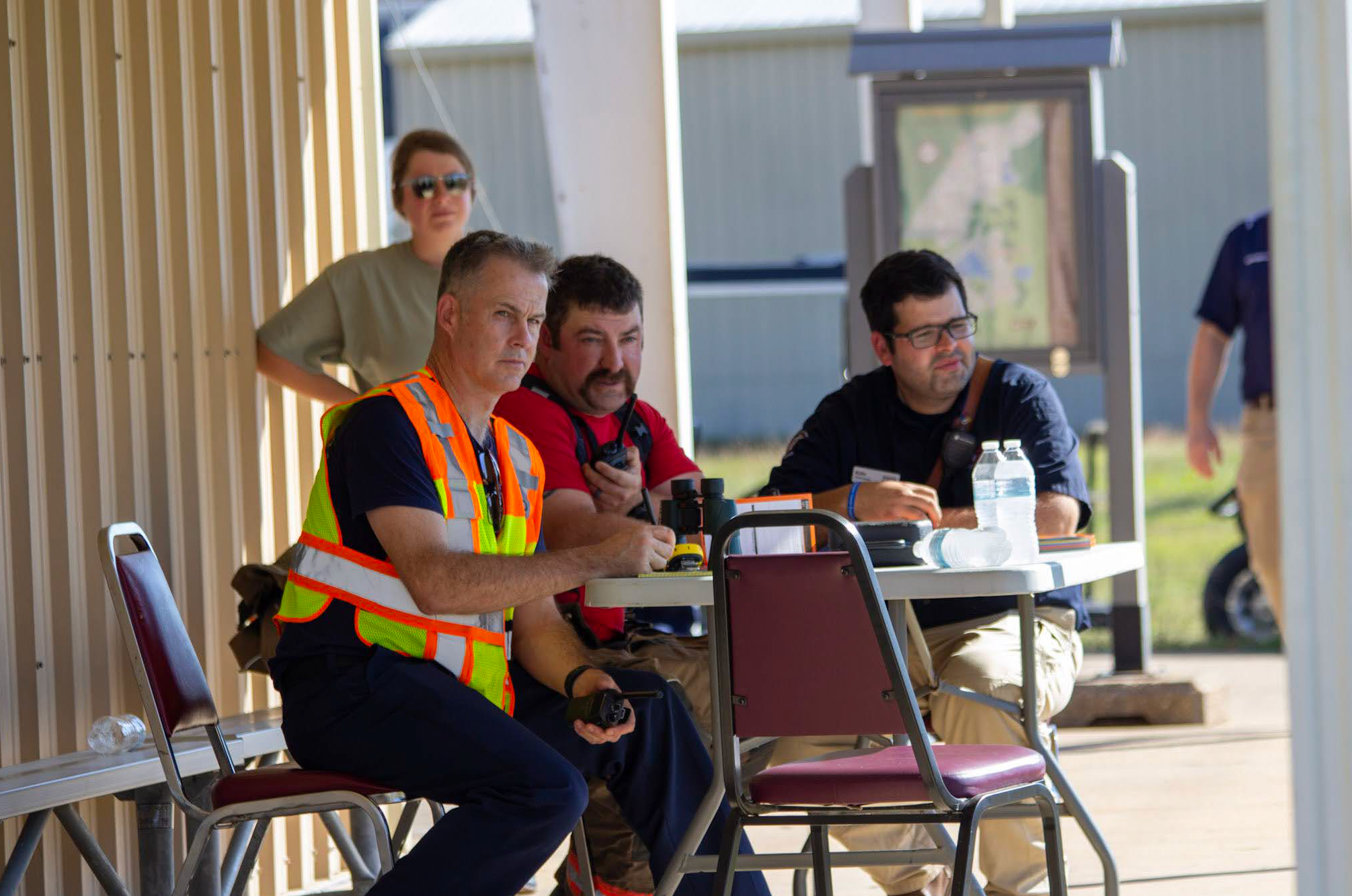
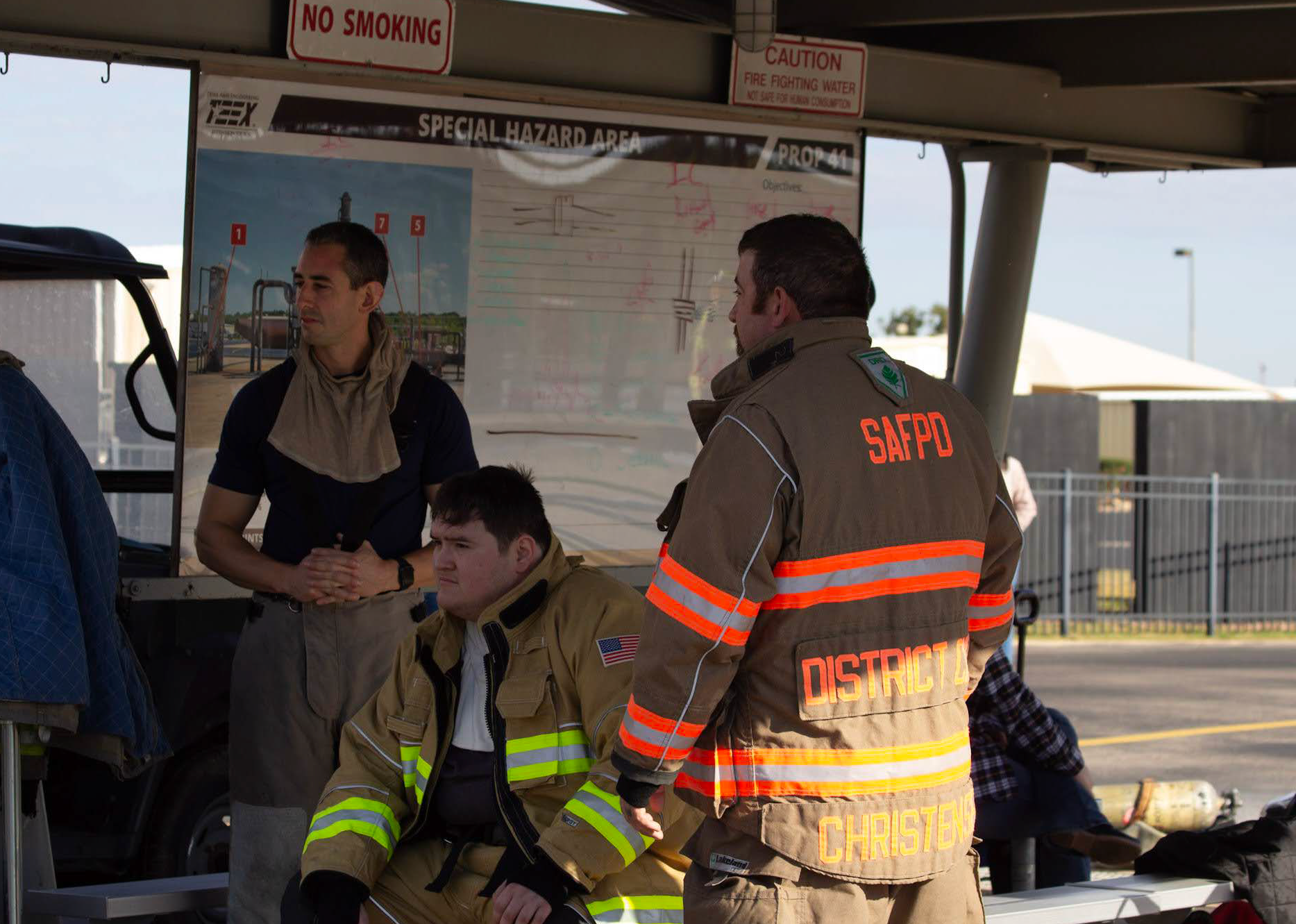
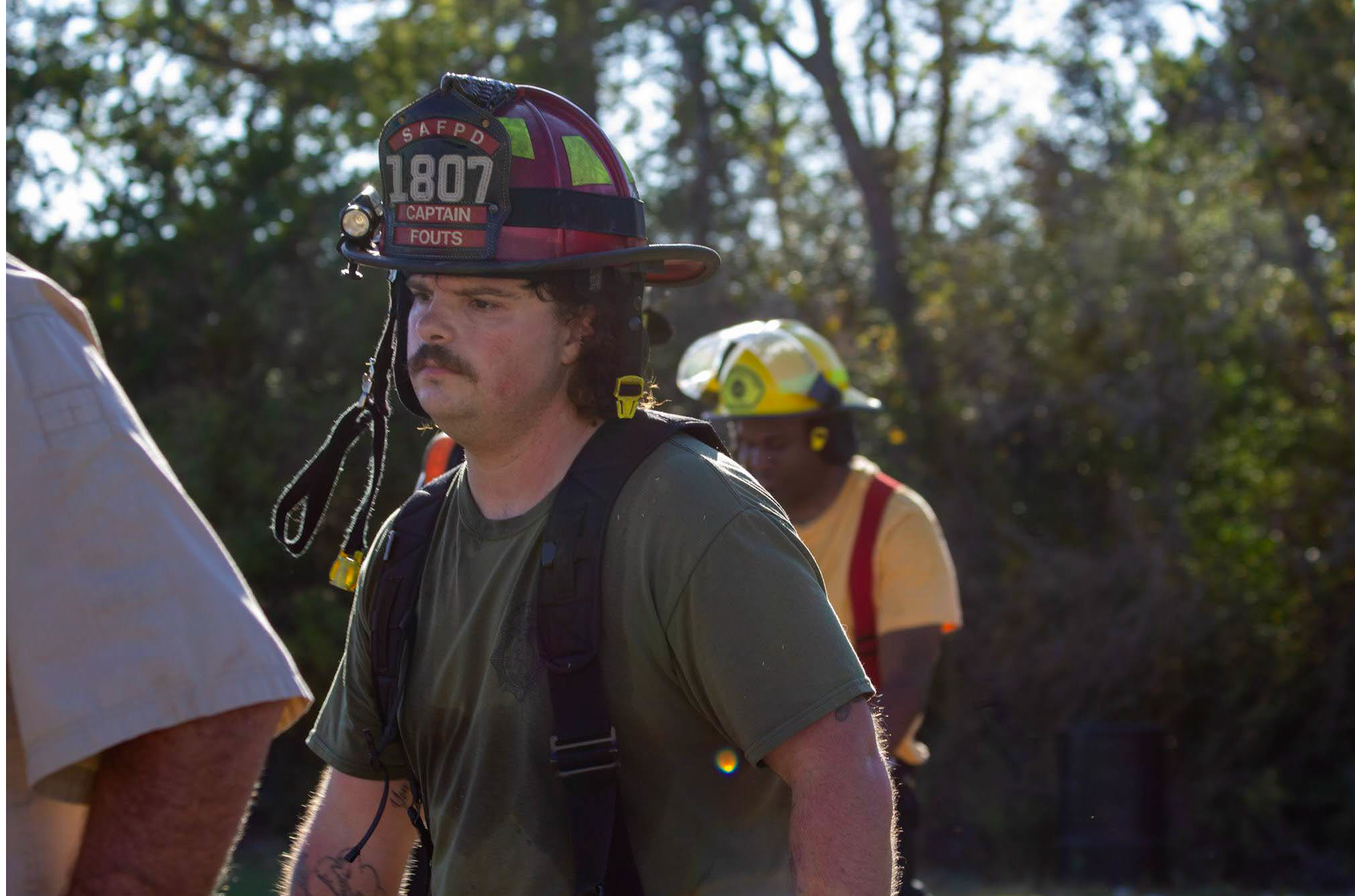
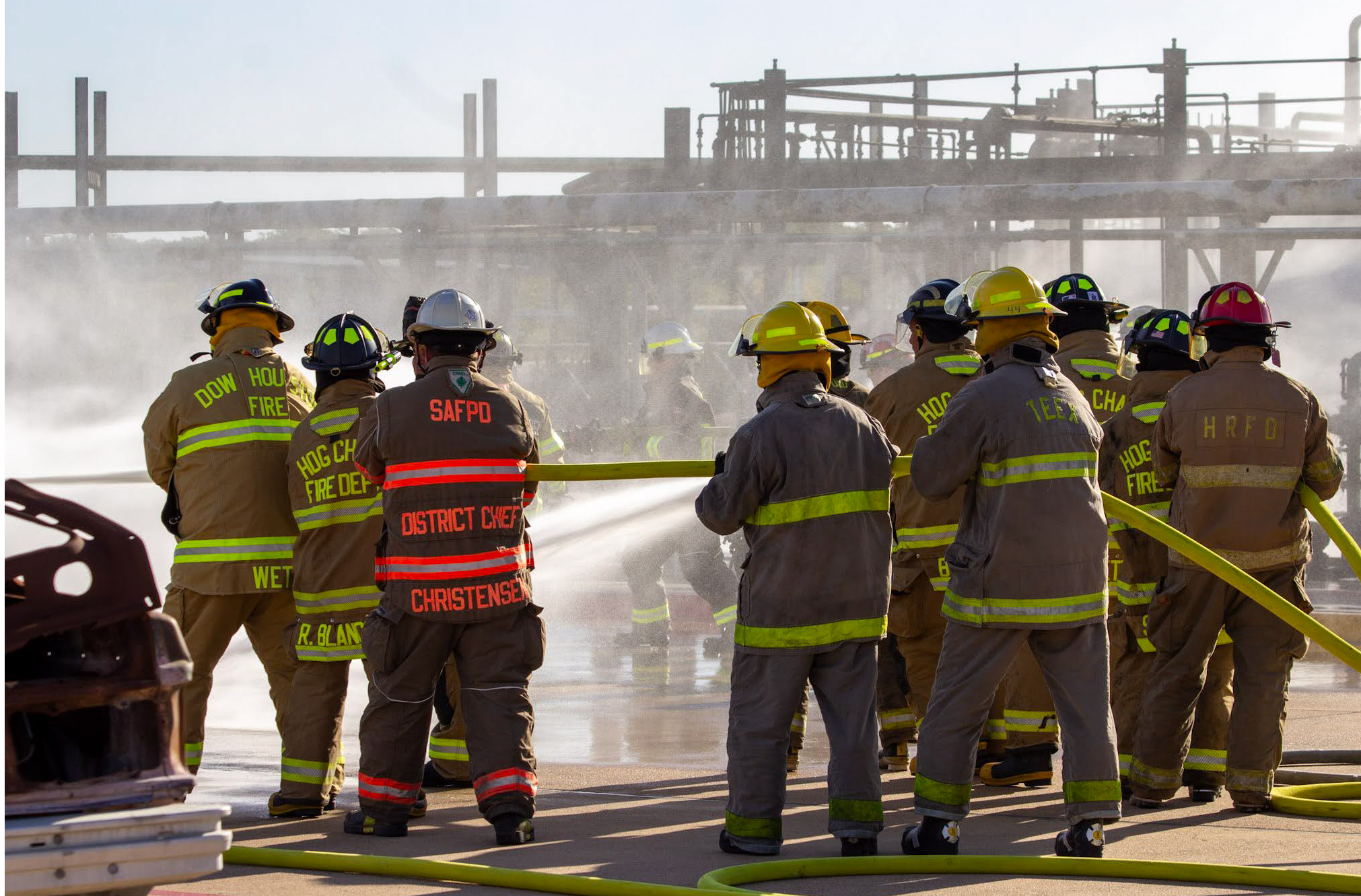
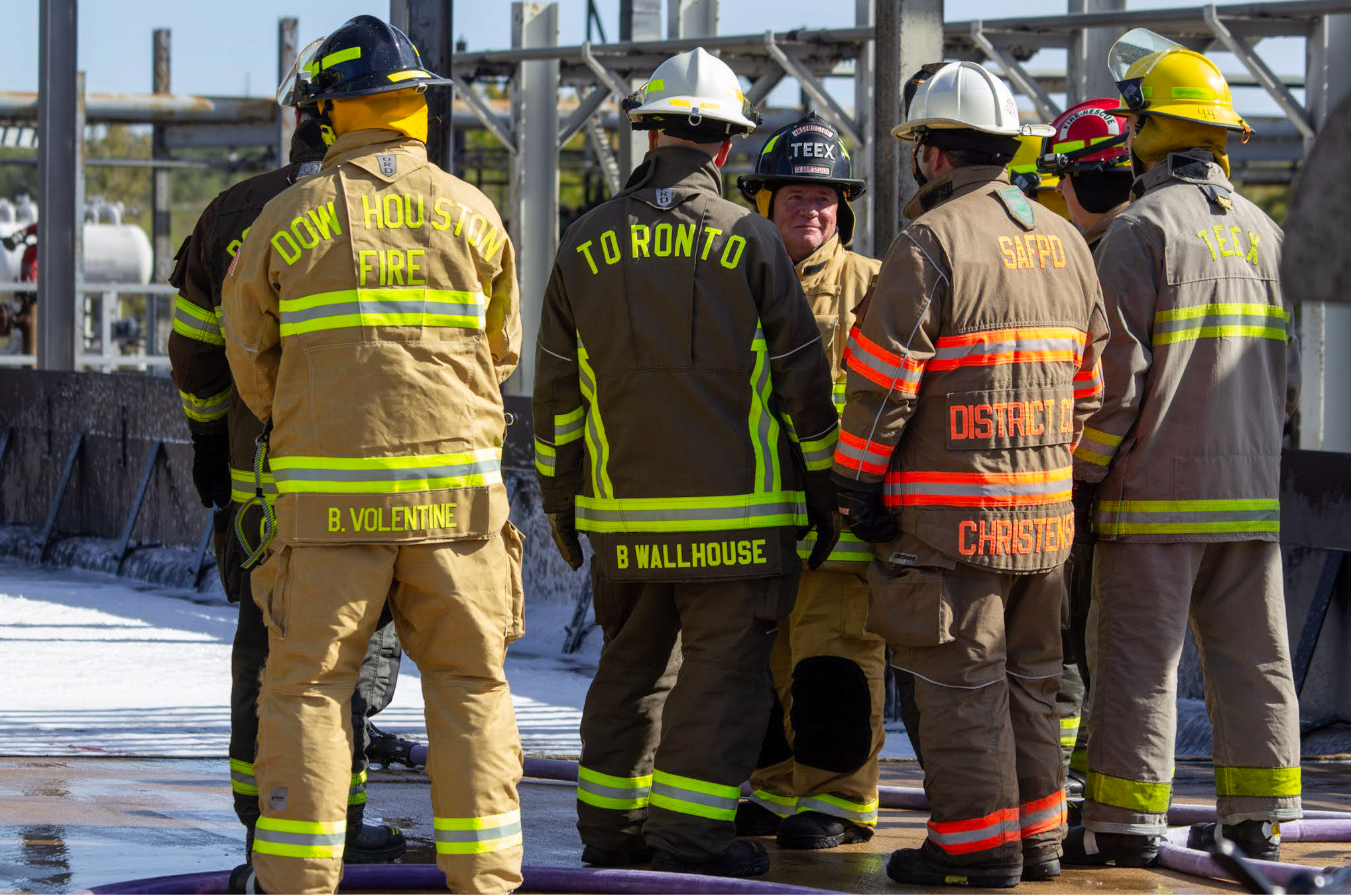
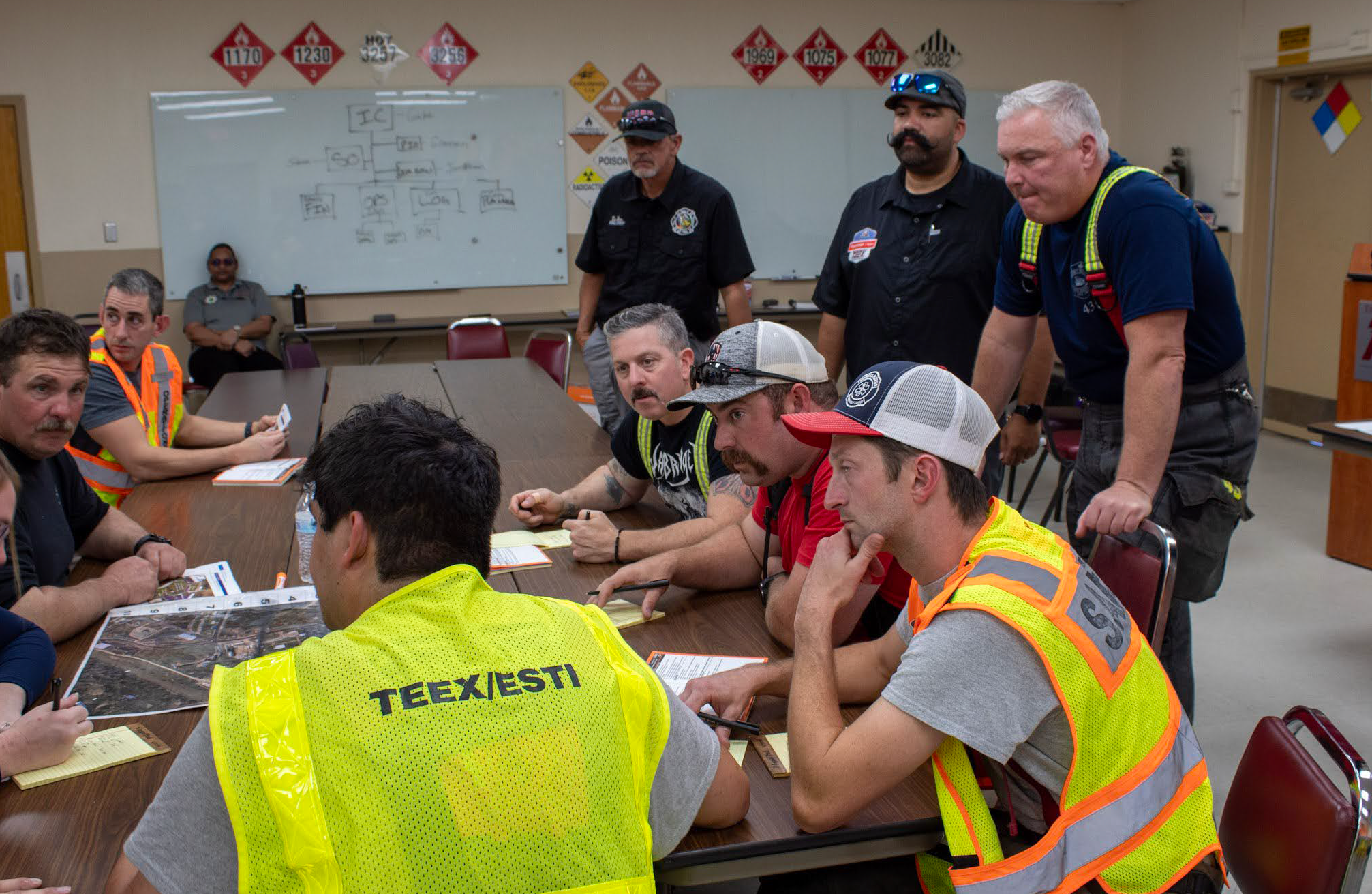
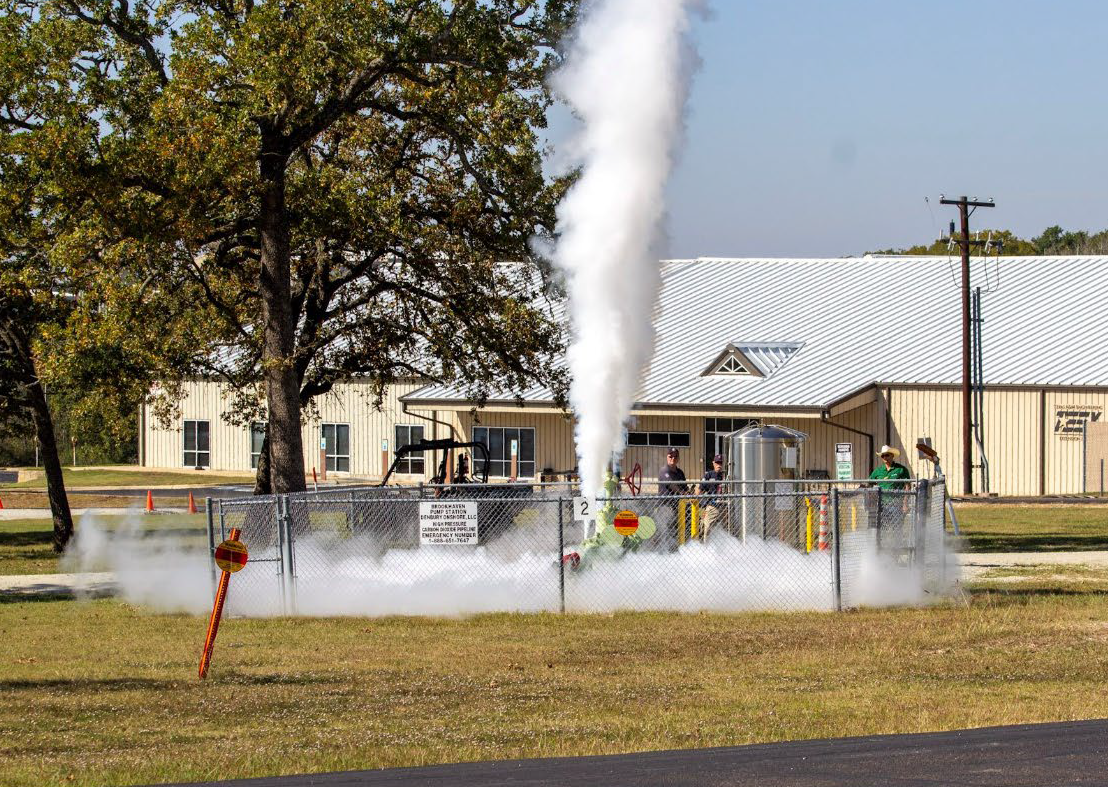
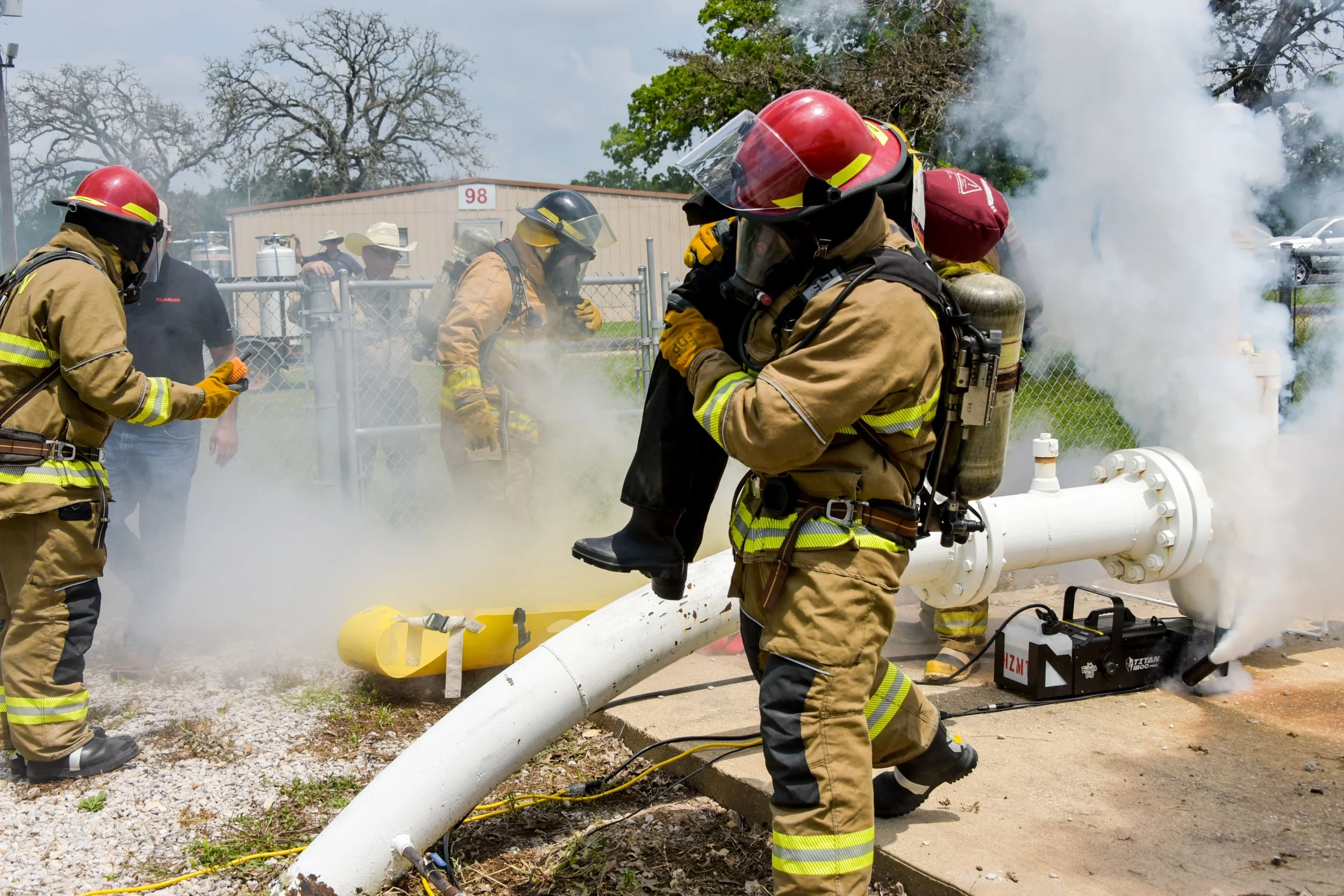
TEEX Emergency Services Training Institute (Texas): Sponsorship of local firefighters attending the HazMat Liquid & CO₂ Pipeline and Industrial Fire Emergencies course(s), featuring live pipeline release simulations and hands-on response scenarios.
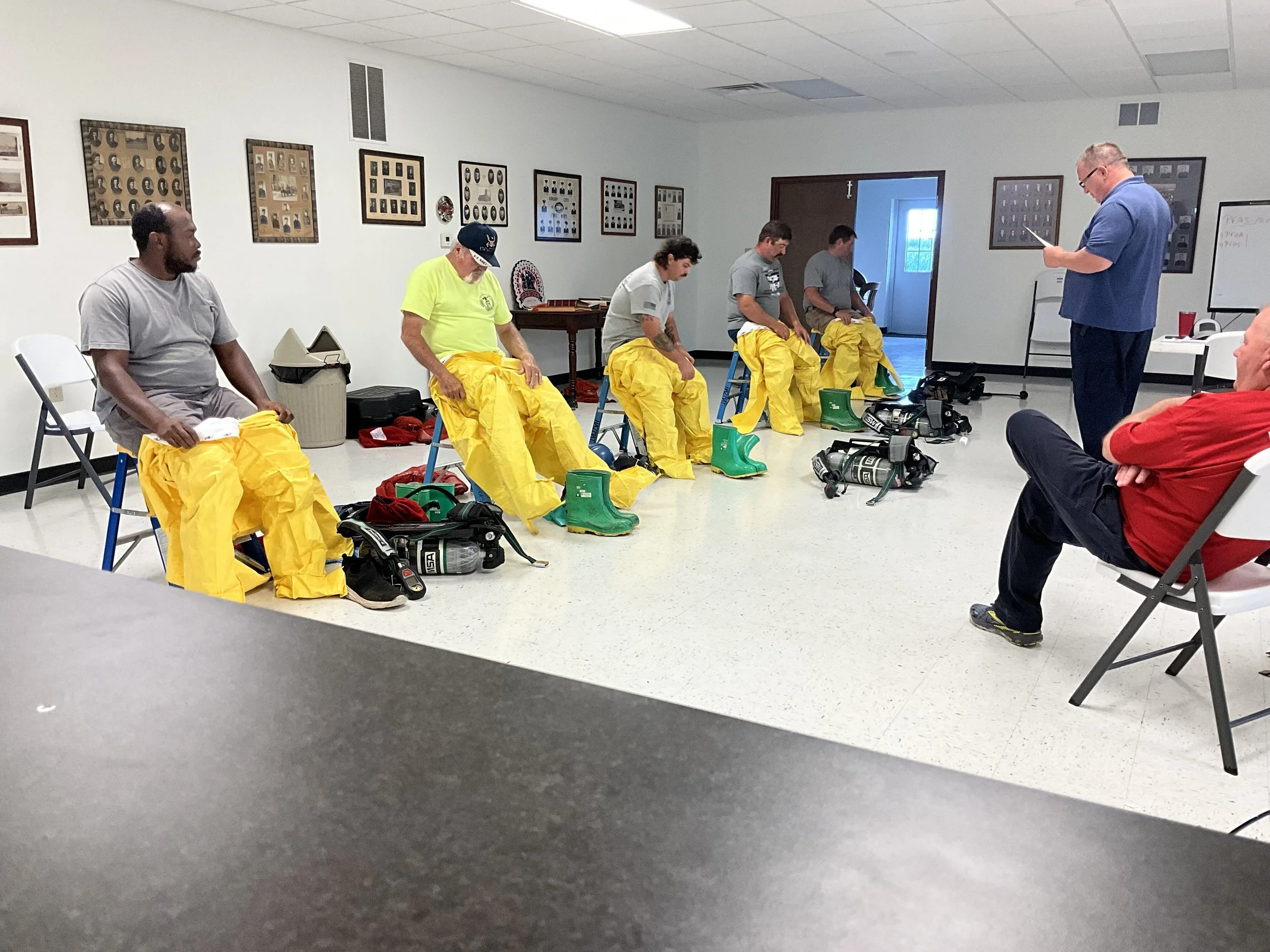
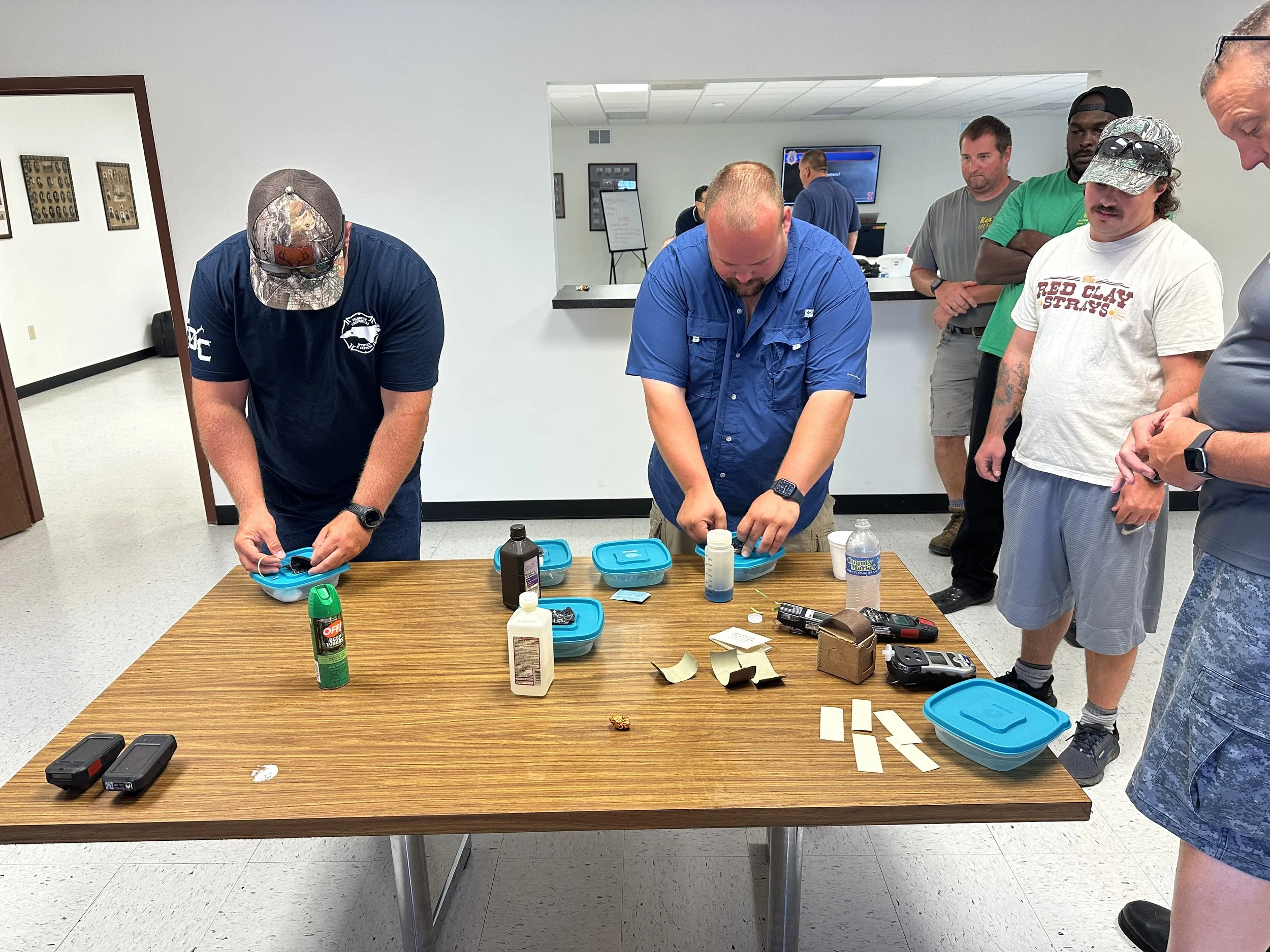
Illinois Fire Service Institute (IFSI): Sponsorship of a 40-hour Hazardous Materials Awareness/Operations course hosted in Gibson City, covering CBRNE response fundamentals, PPE use, and defensive control techniques.
“These courses have been extremely successful. Participants value the realism, the hands-on experience, and the focus on hazards that are often overlooked. That preparation makes a real difference.” — Eric West
Commitment to the Future
One Earth Sequestration plans to expand training opportunities in 2026 by:
Sponsoring additional TEEX pipeline and industrial fire courses
Exploring repeat IFSI training based on local interest
Evaluating mobile CO₂ pipeline training options that could be delivered locally
“Our goal is simple: ensure first responders are prepared, confident, and supported. The positive response from those attending these trainings shows we’re meeting a real need.” — Steve Kelly, Chief Executive Officer, One Earth Sequestration
Responder Training & Preparedness
Below are recent responder training activities supported by OES.
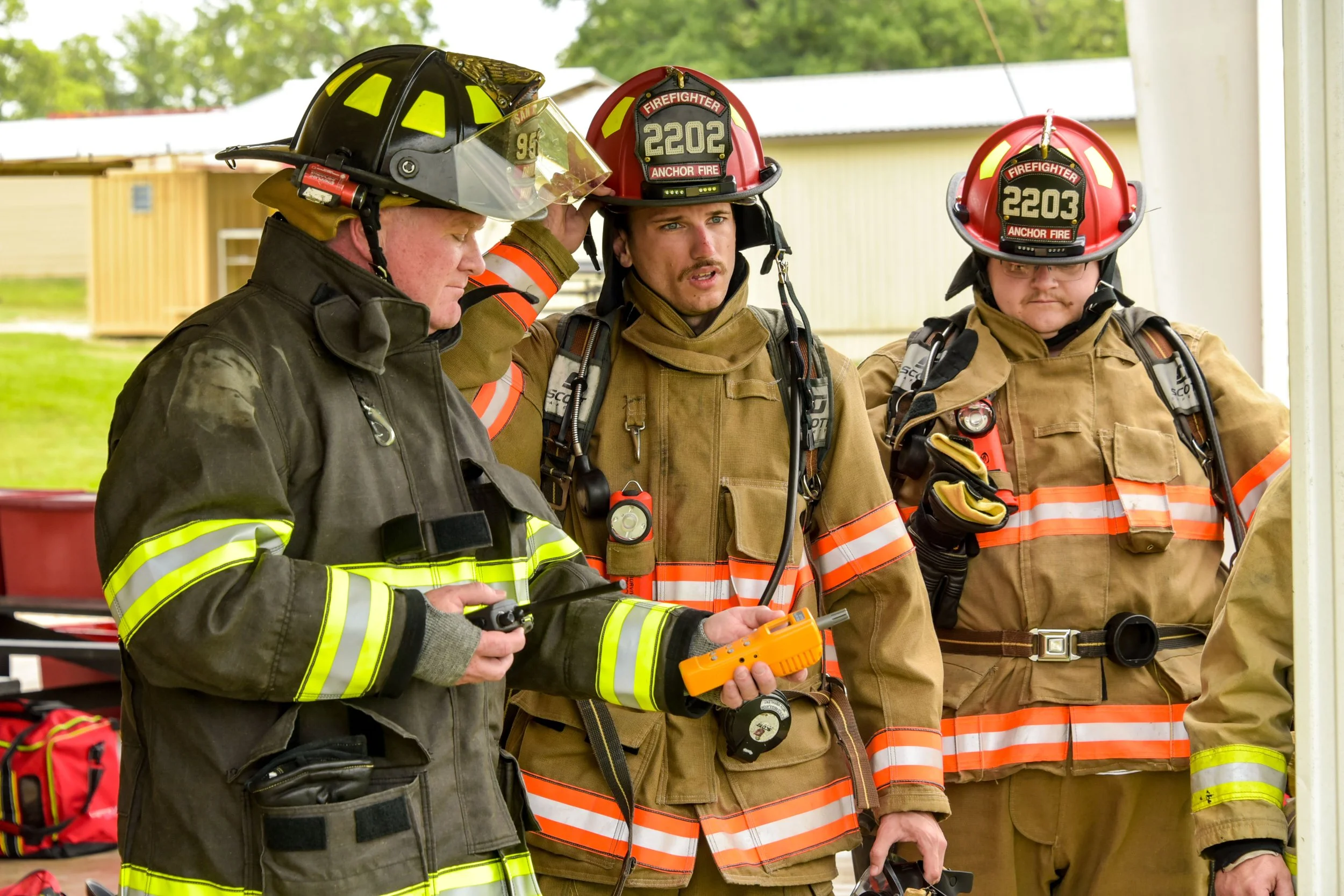
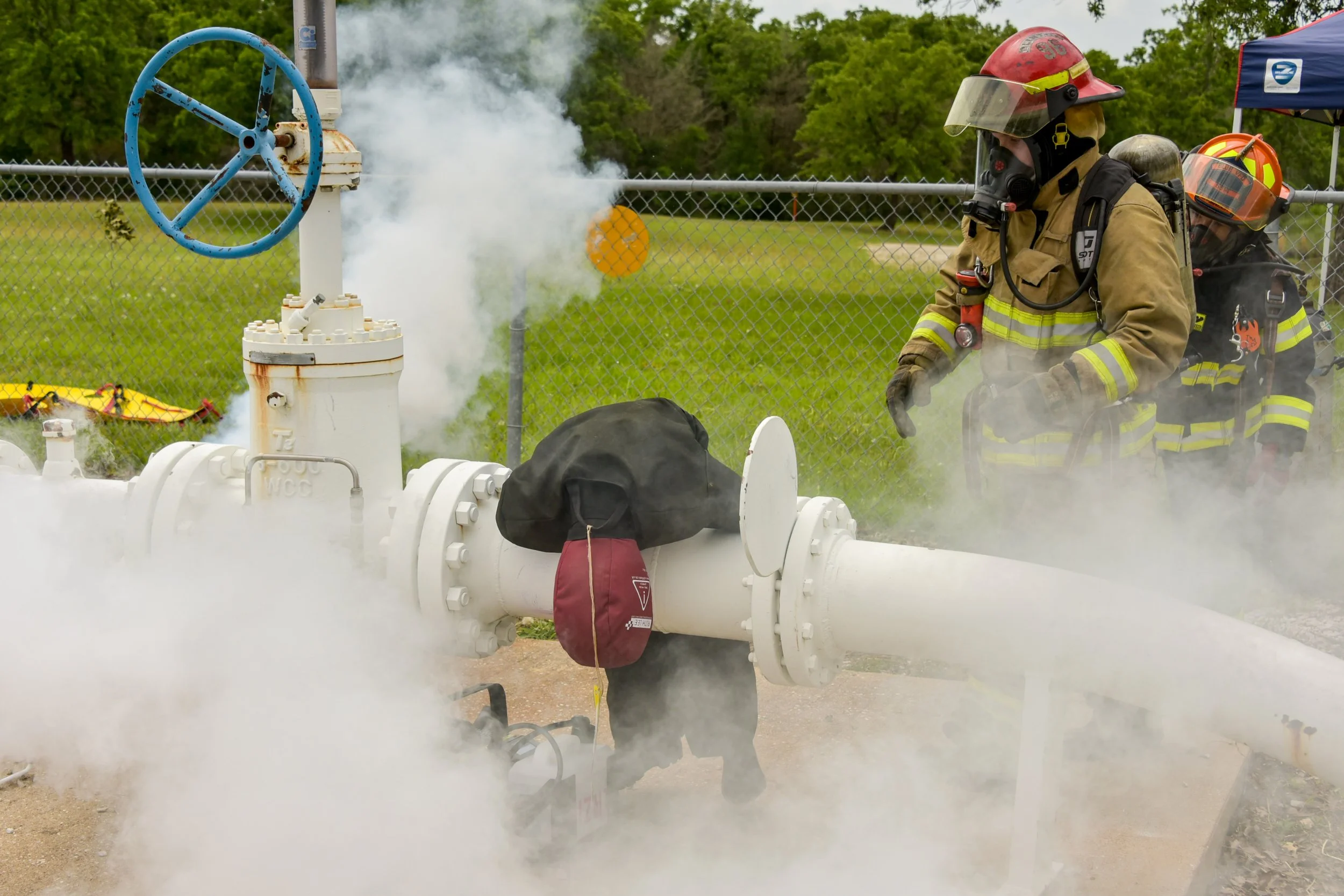
SAFPD personnel completed advanced HazMat and CO₂ pipeline emergency training at TEEX on November 8–9, 2025.
Gibson City Fire Protection District, in partnership with the Illinois Fire Service Institute (IFSI) and with support from One Earth Energy, presented a 40-hour Hazardous Materials (Hazmat) Awareness and Operations Course on July 26–27 and August 2–3, at the Fire Protection District building in Gibson City
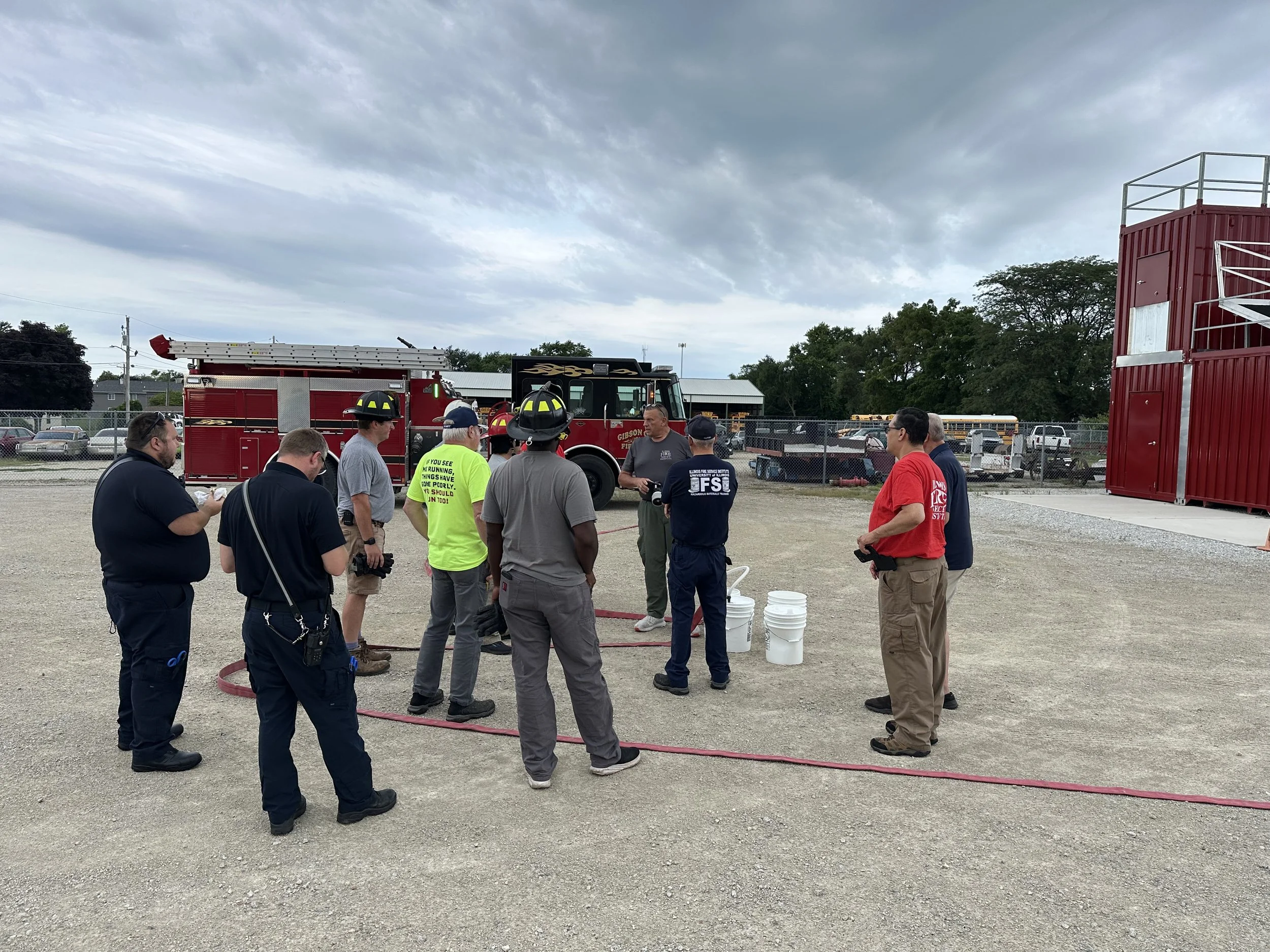
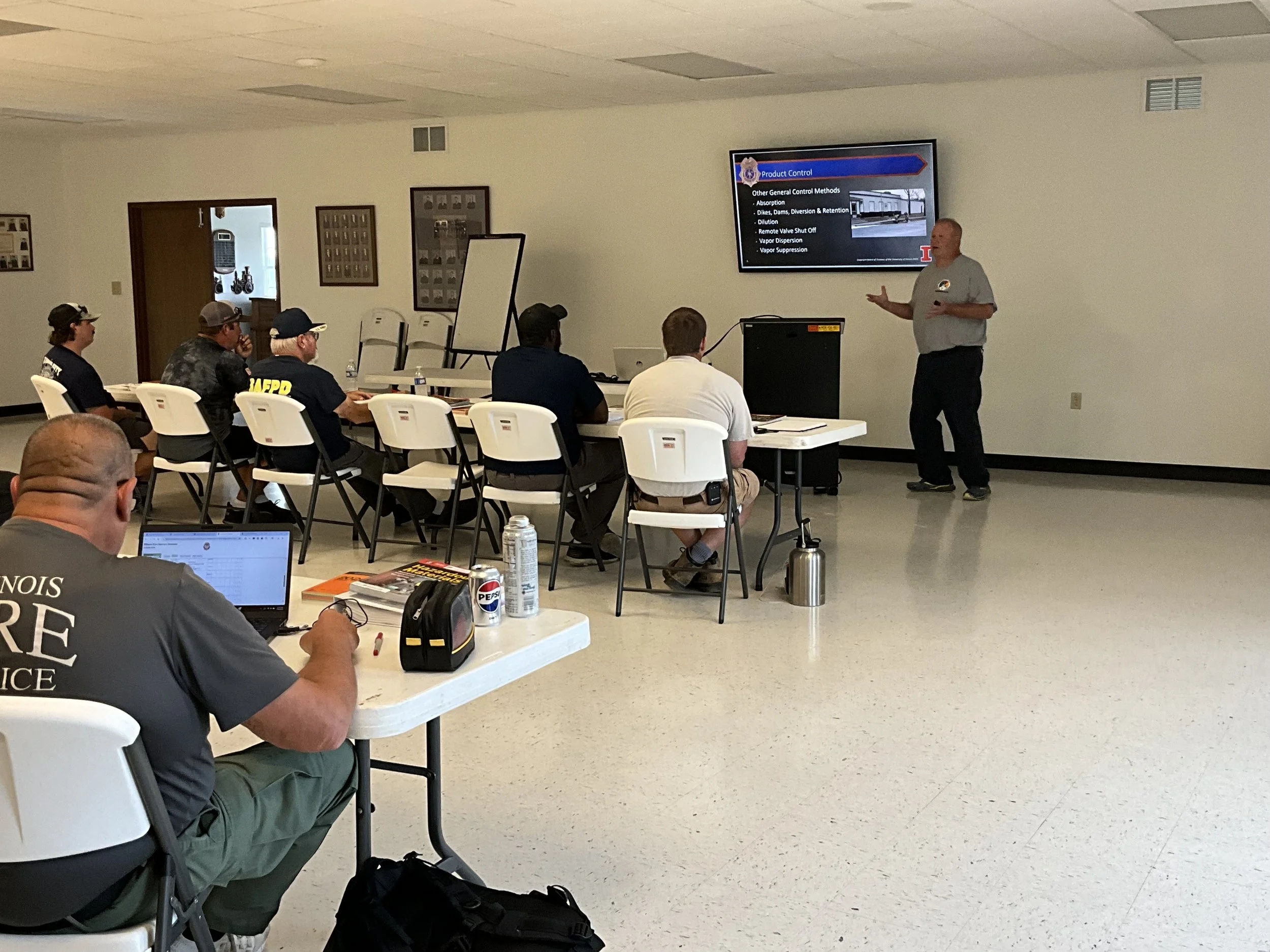

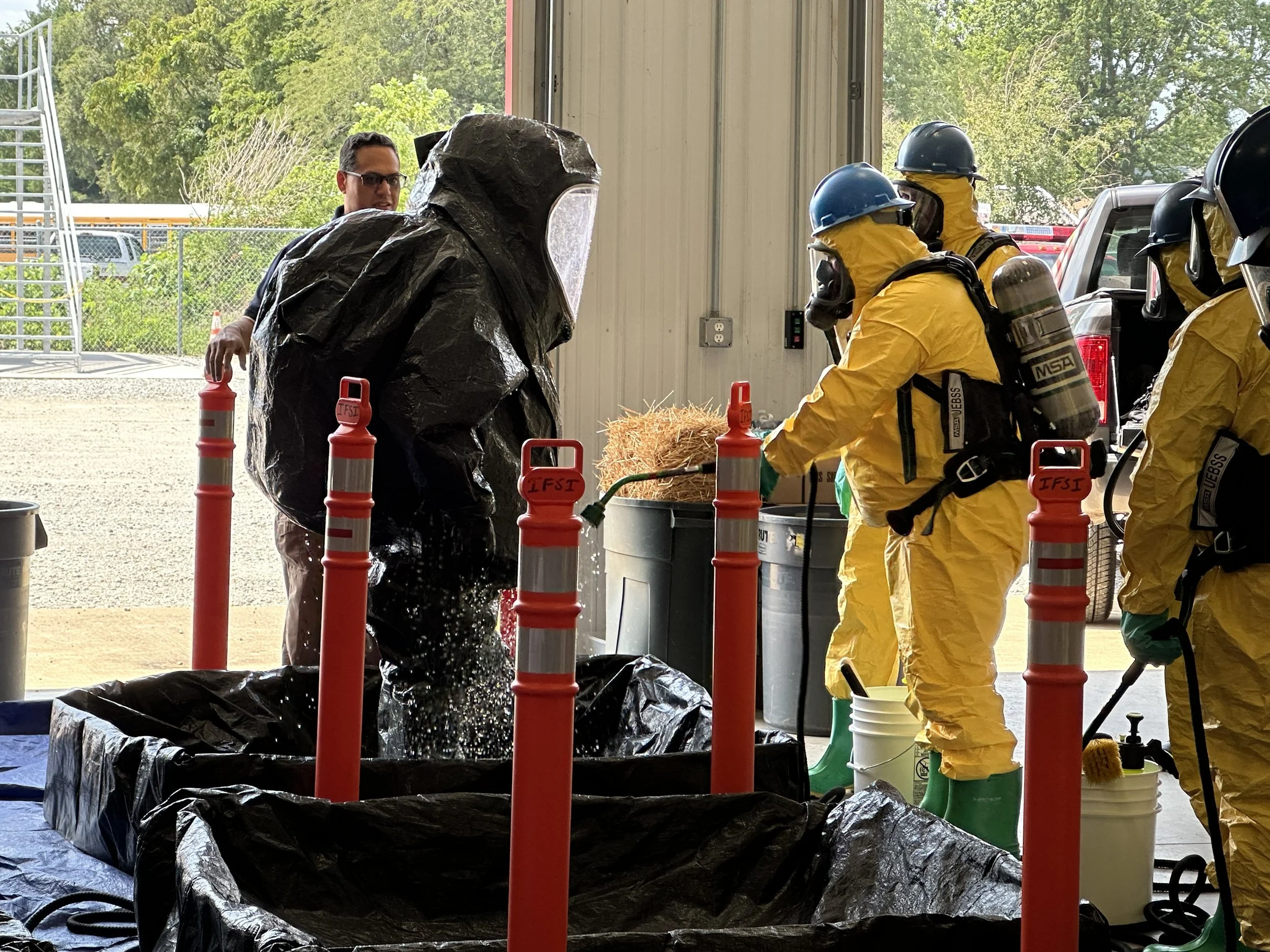
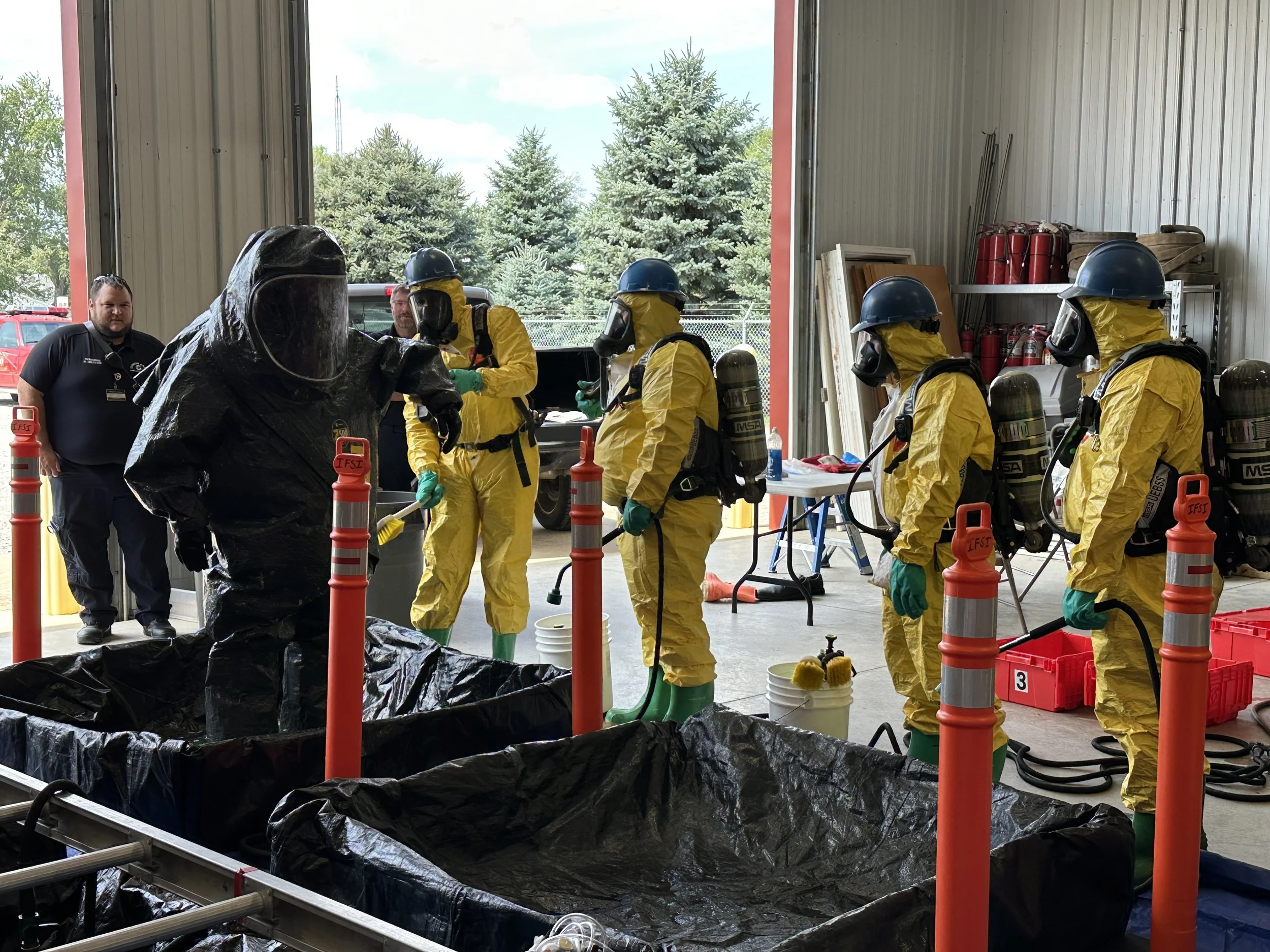
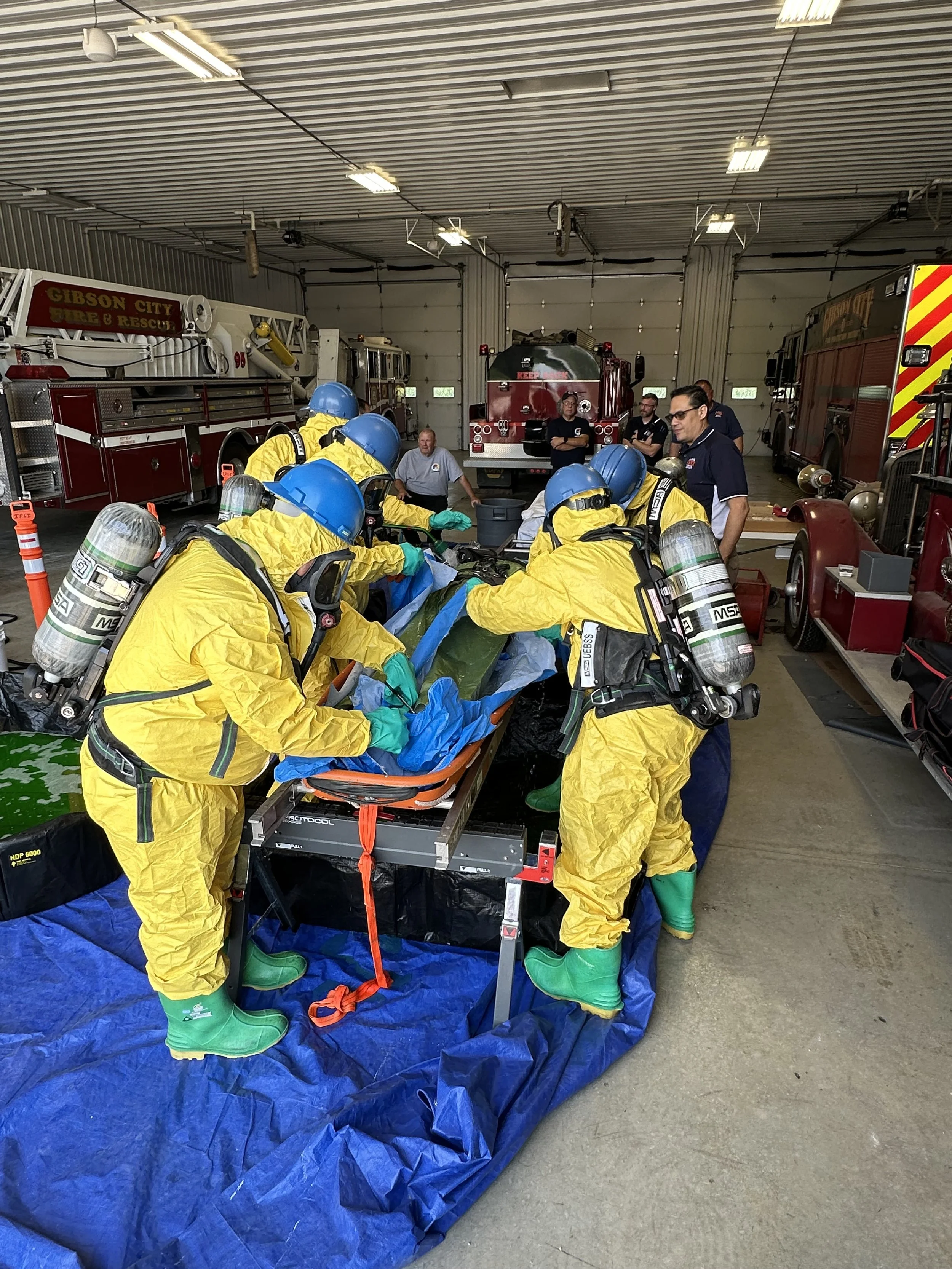
Texas A&M Engineering Extension Service (TEEX) HazMat Liquid and CO2 Pipeline and Industrial Fire Emergencies Training, April 26 - 27, 2025.




Expanded Community Engagement & Support
Community Giving
Since 2009, One Earth has contributed more than $617,000 to local organizations across Ford, Iroquois, Champaign, and McLean Counties. This includes support for:
County fairs and Farm Bureau foundations
Local parks and FFA chapters
EMS and fire districts
Food assistance programs, including a $20,000 donation to Midwest Food Bank
Gibson Area Hospital and other essential institutions
Renovation of the Sibley baseball/softball diamond
Annual giving is tracked across categories including community, agriculture, education, and environment. The full 2025 Community Giving Report is available for download.
Public Safety Support
One Earth provides direct support to local emergency responders, including:
Equipment donations
Training sponsorships
Operational resources for EMS and fire districts
Participation in TEEX and IFSI training programs
These efforts complement the project’s Emergency Response Plan and strengthen local preparedness.
Community Partnerships
OES is a major funder of the Children’s Discovery Museum’s new exhibit, “From the Farm to a Healthy Me.” This interactive experience connects children to agriculture and environmental science, with an estimated reach of 2 million visitors over 15–20 years.
Economic Impact
The combined carbon capture and ethanol expansion represents a $200 million investment in central Illinois. Each dollar invested generates $1.86 in economic activity, and each job created leads to 2.5 additional jobs statewide.
Community Engagement Events
OES continues to meet with farmers, landowners, environmental groups, chambers of commerce, and elected officials. To date, the team has held more than 100 community meetings to share updates and answer questions.
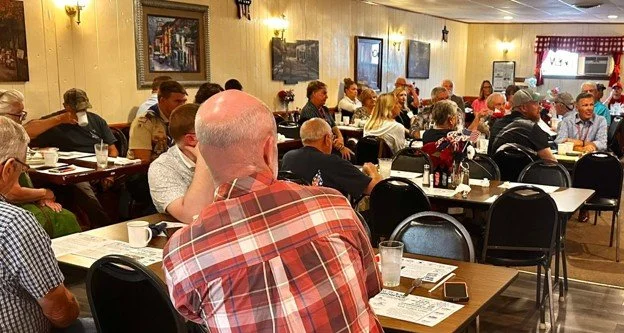
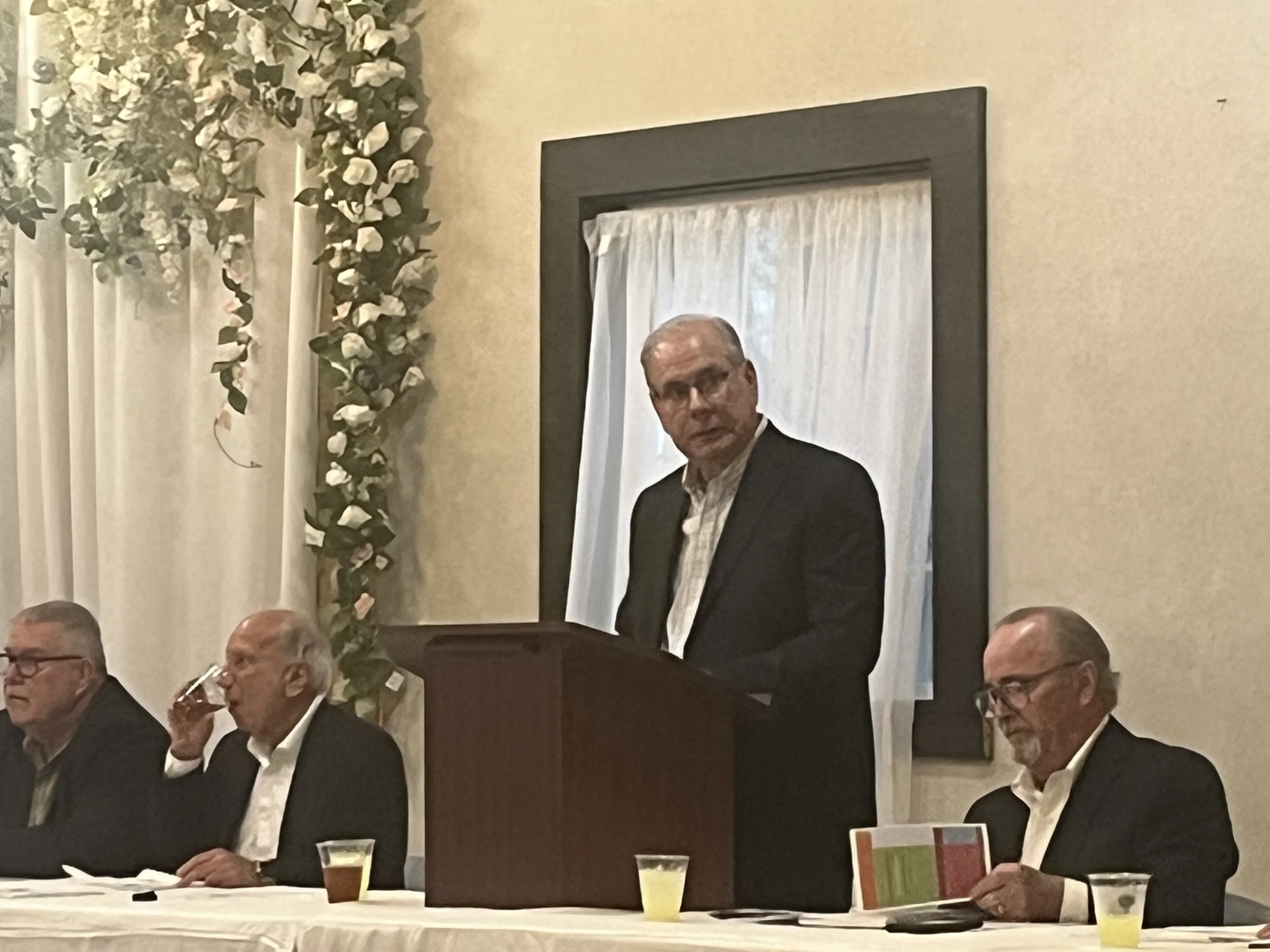
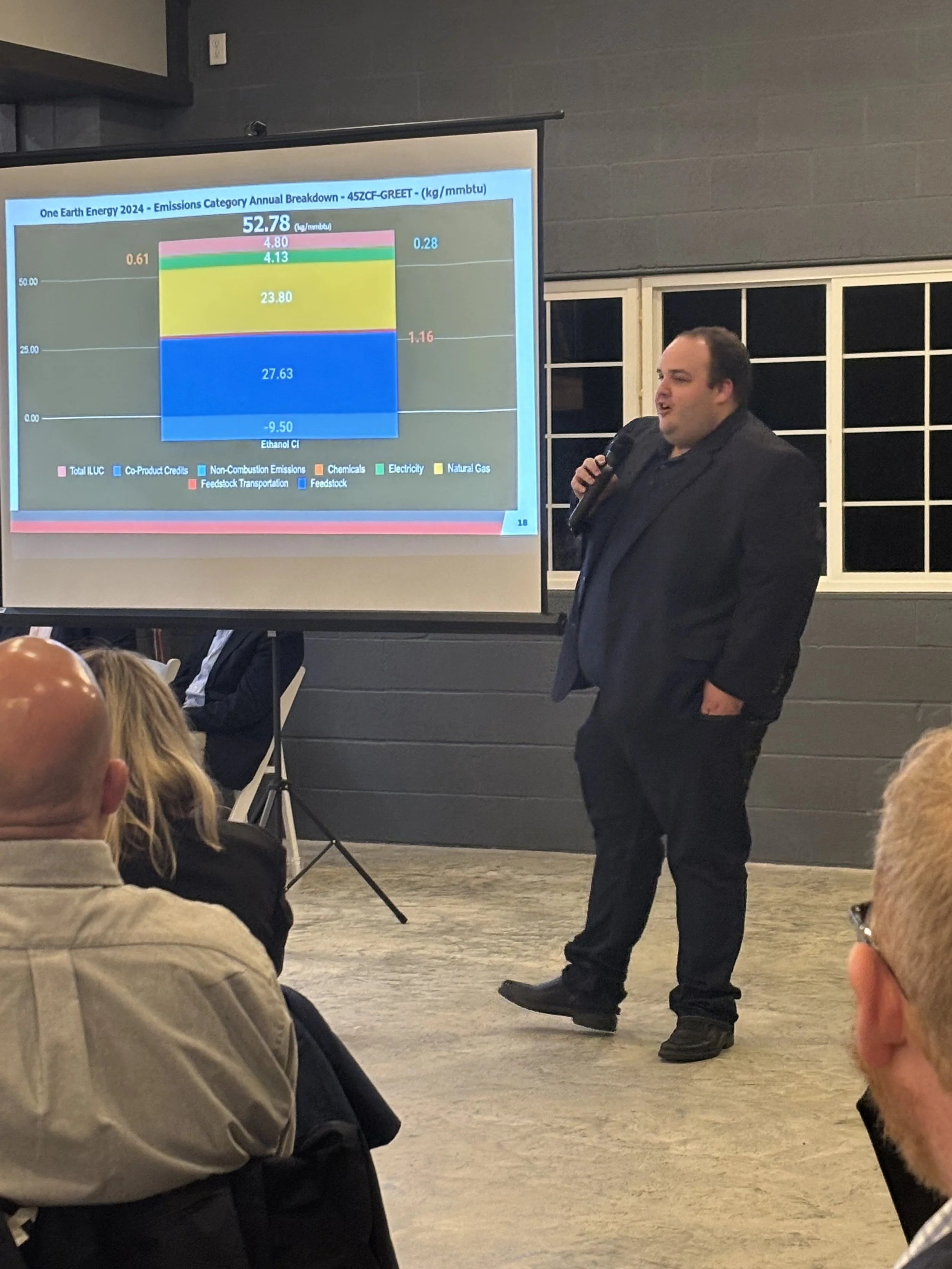
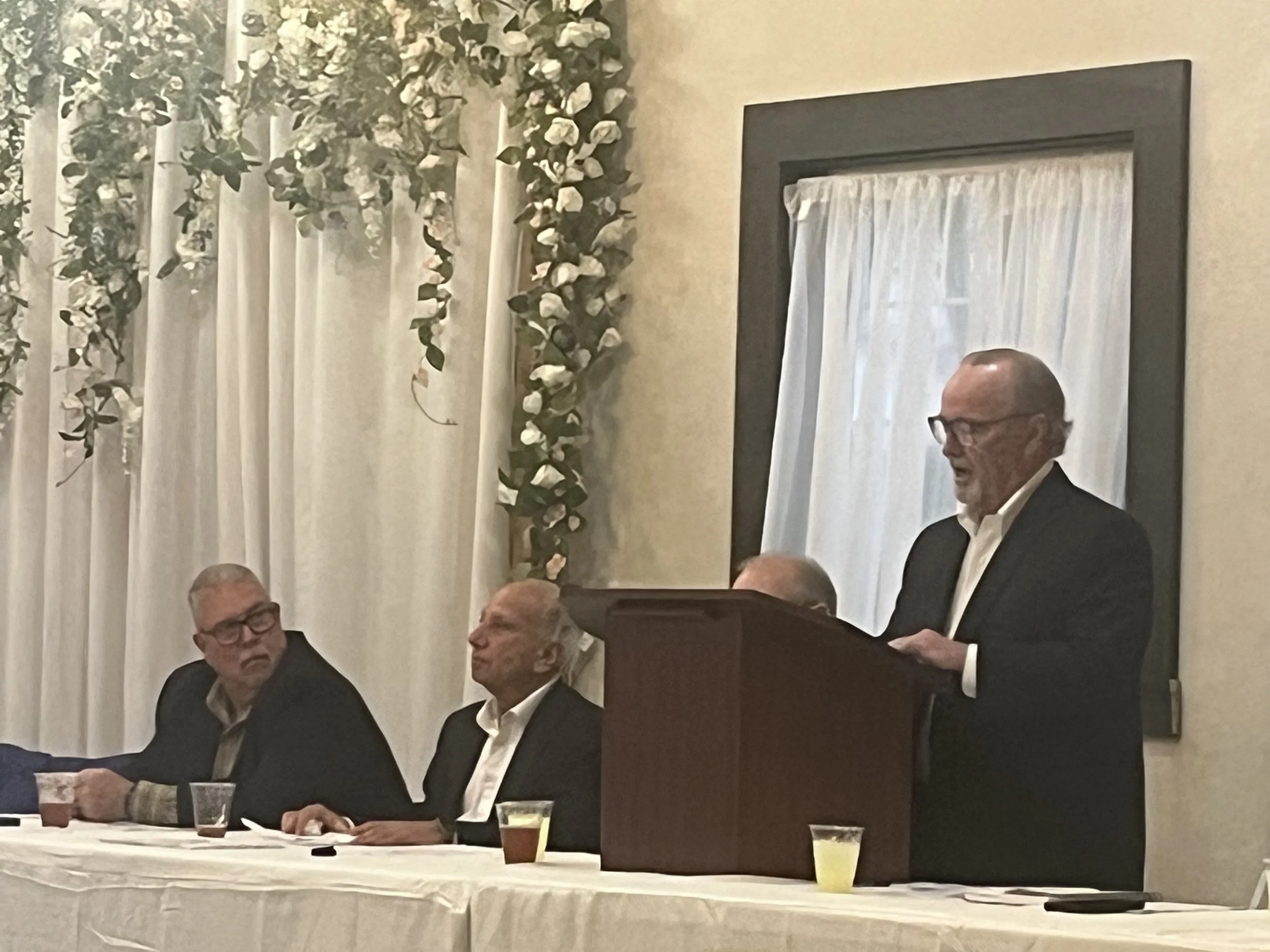
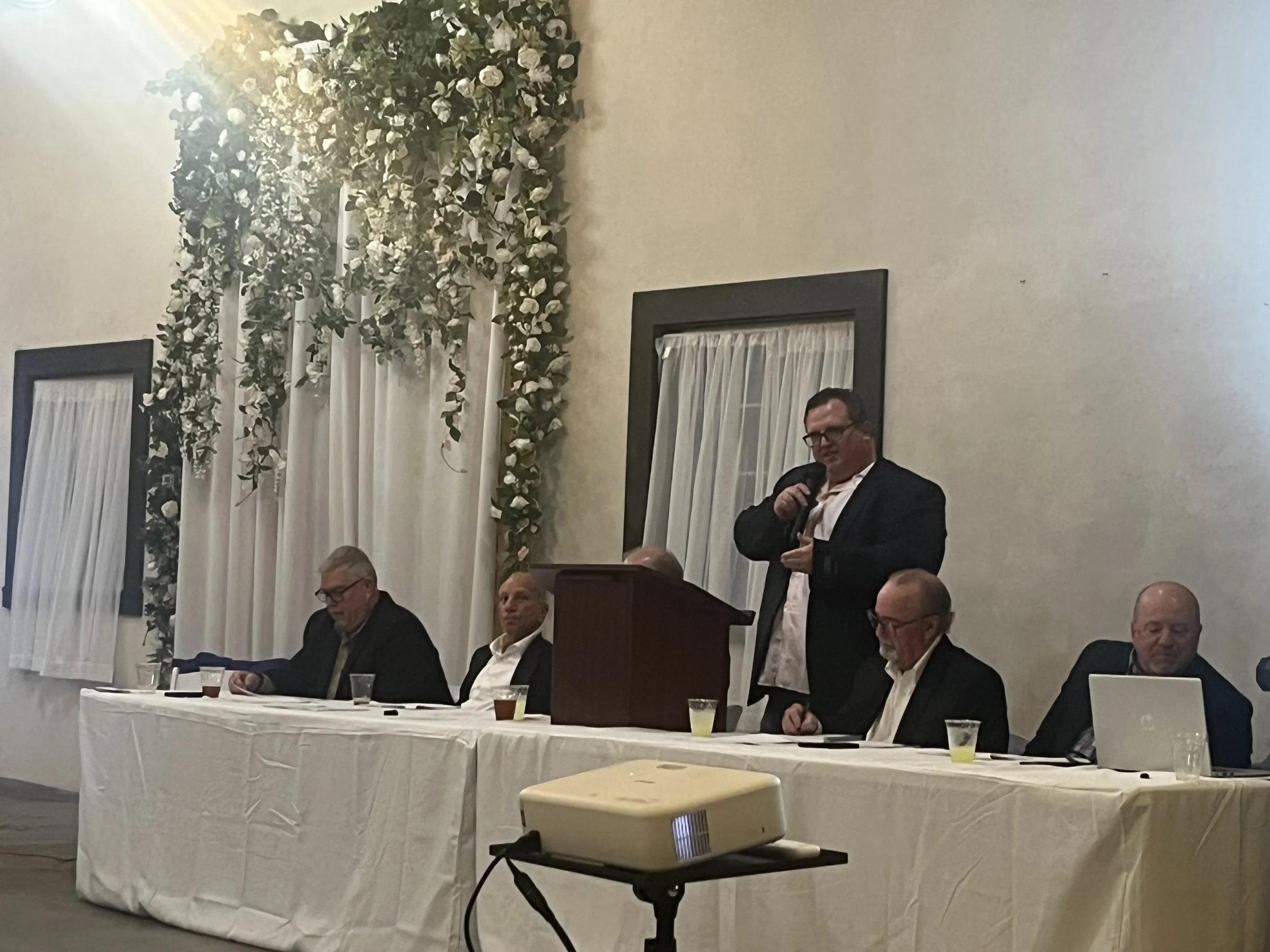
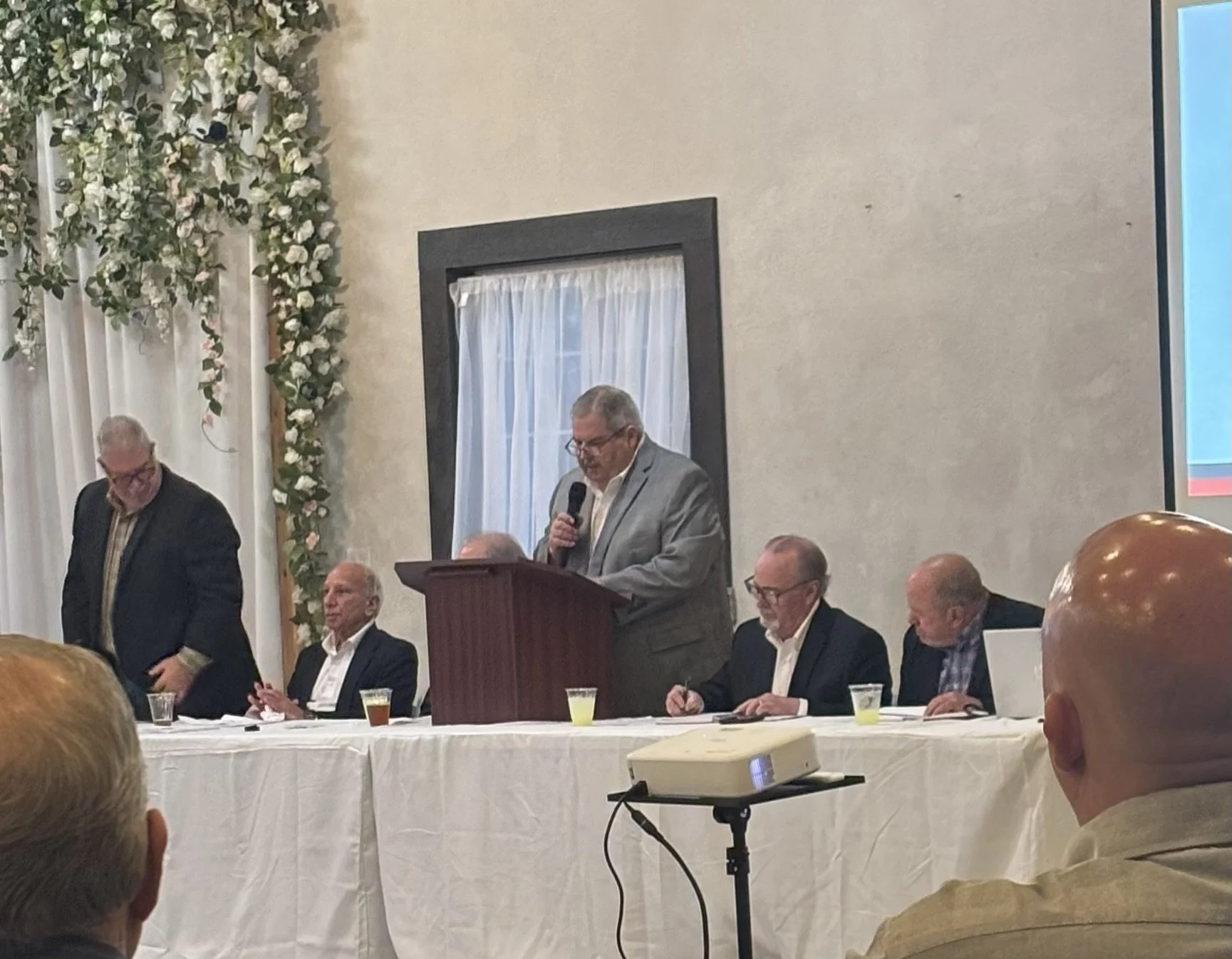
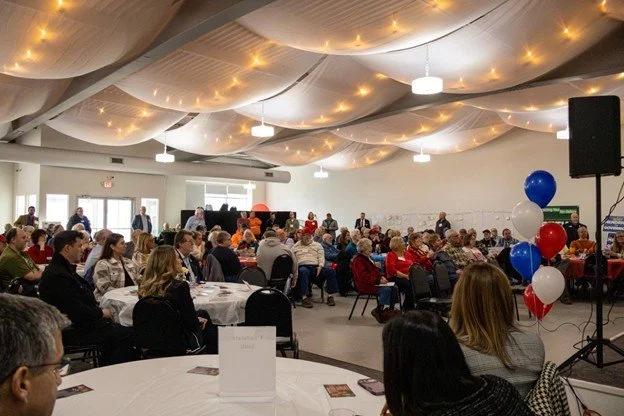
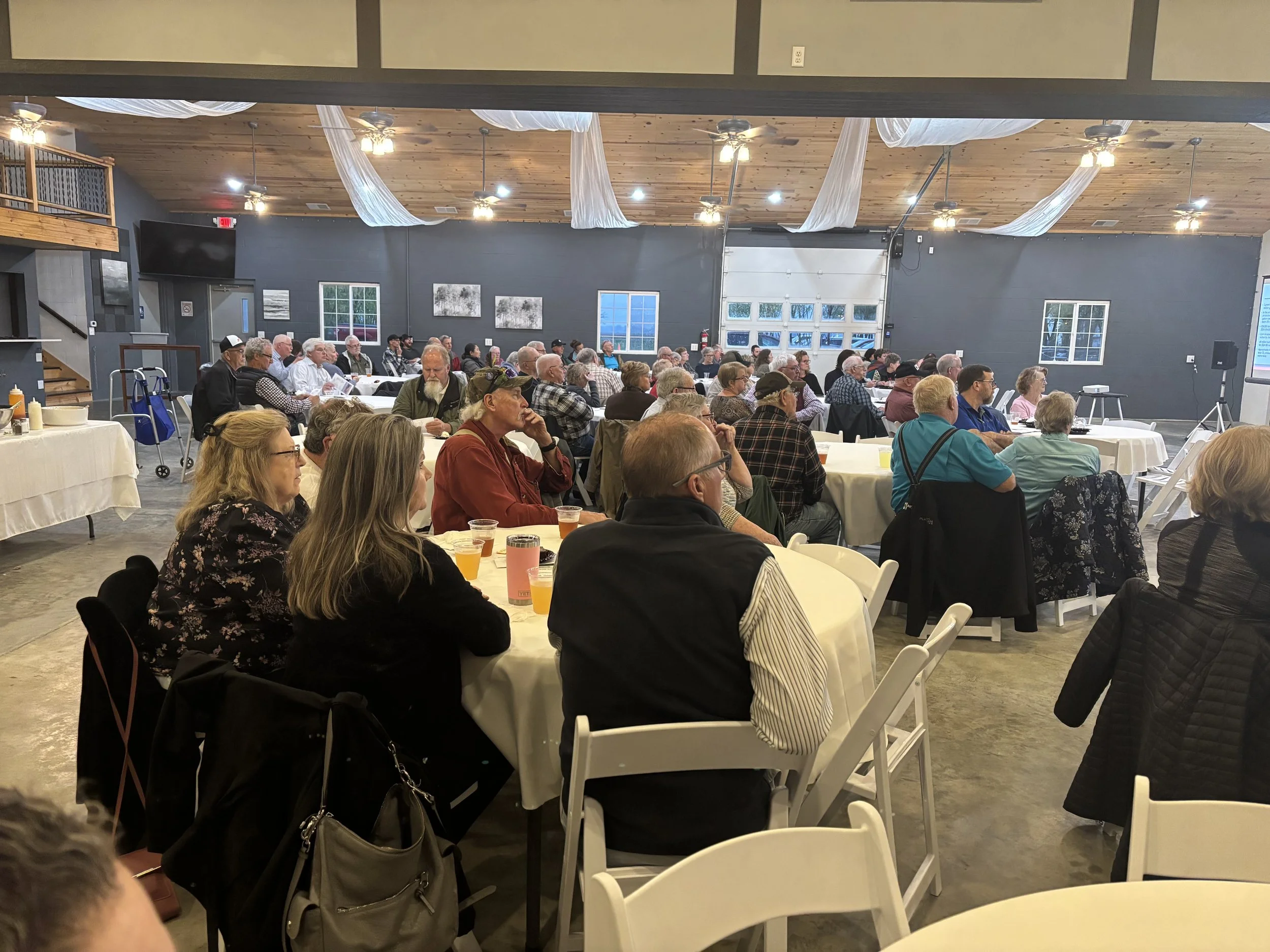
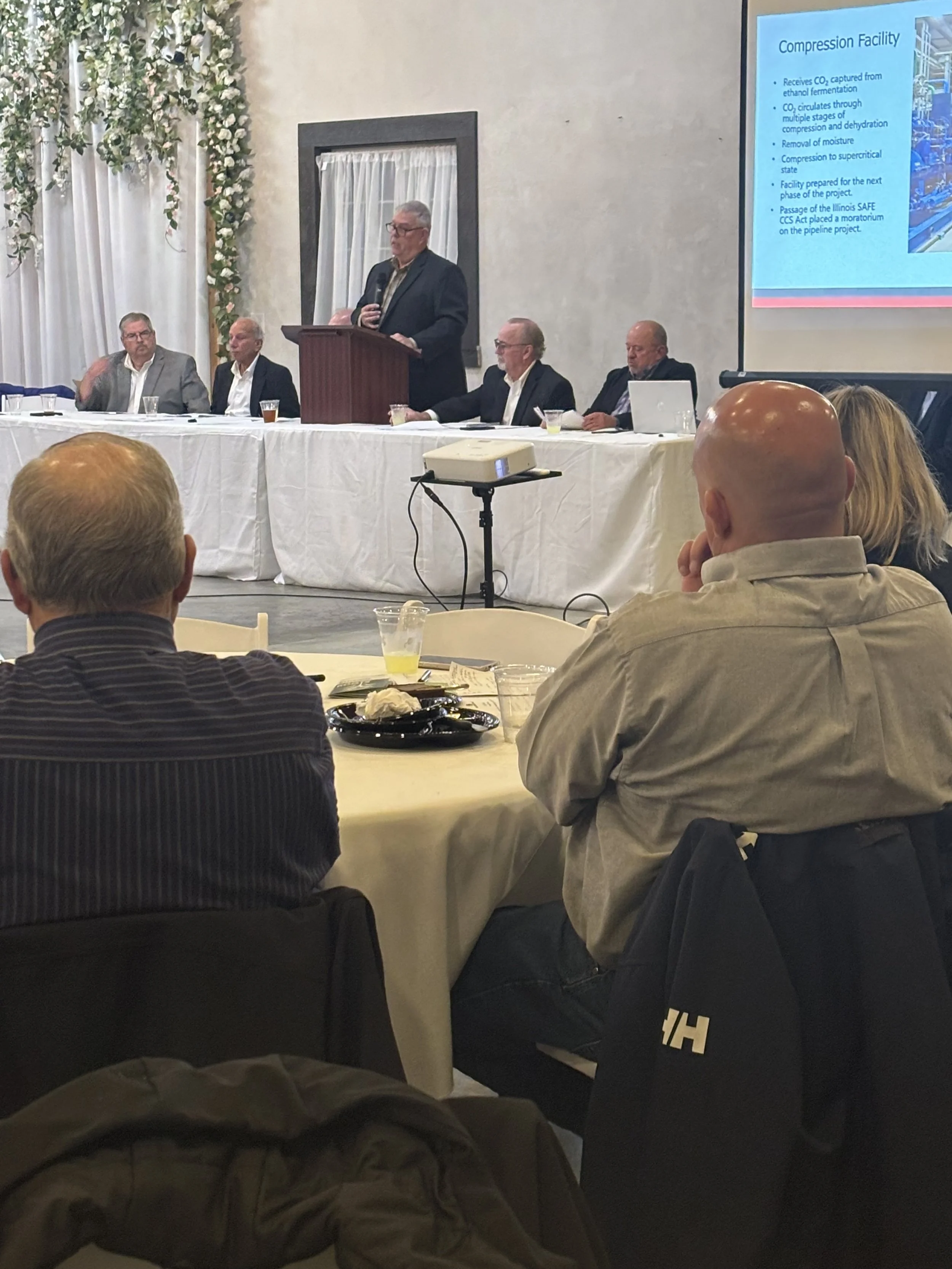
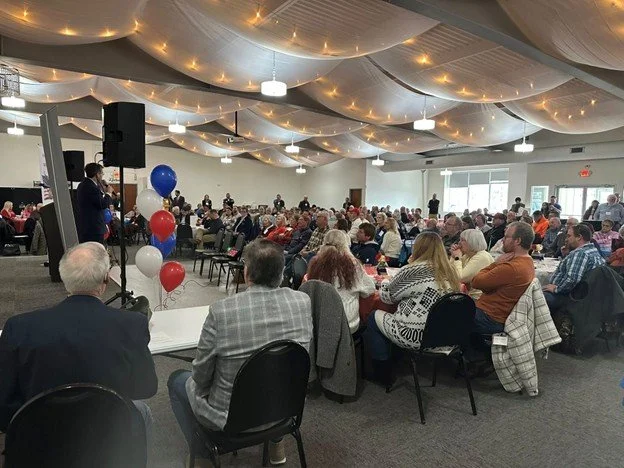
Outreach - Gibson City (April 4, 2025) One Earth Energy 16th Annual Meeting at Countryside Camp outside Gibson City, Illinois
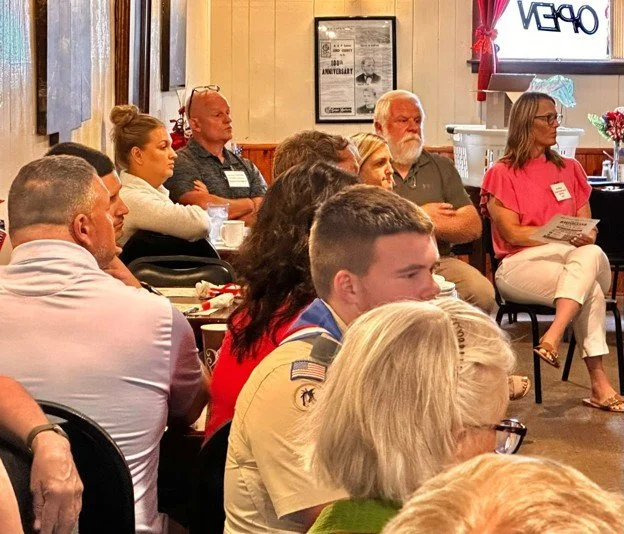
Community Outreach – Paxton (Jan. 24, 2026)
One Earth Sequestration representatives attended a community meet-and-greet in Paxton on January 24, 2026, to meet with local stakeholders, answer questions, and discuss public safety and project development. We appreciate the opportunity to engage directly with residents and local officials, and we will continue participating in community events as project planning advances.

Community Outreach – Gibson City (July 10, 2026)
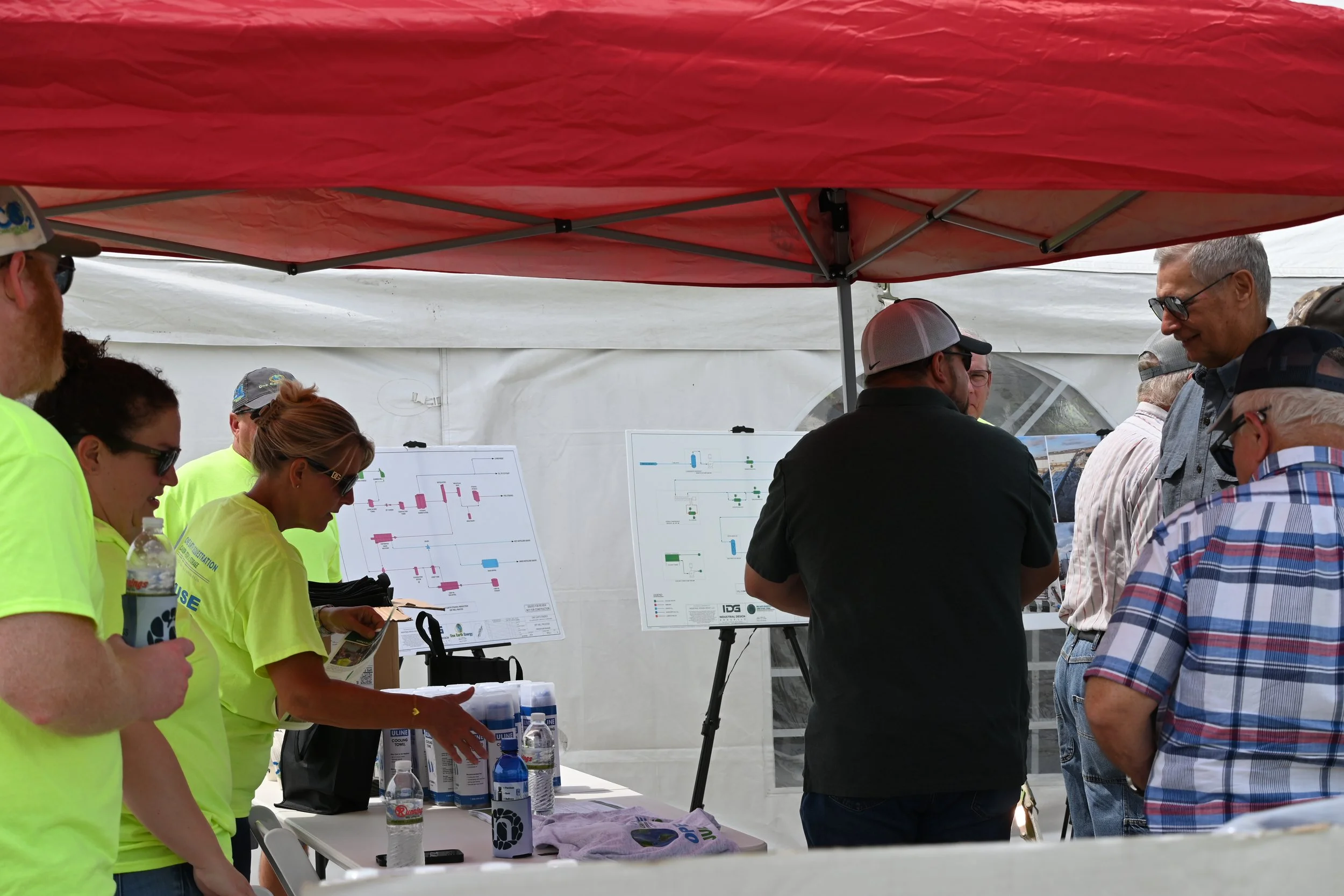
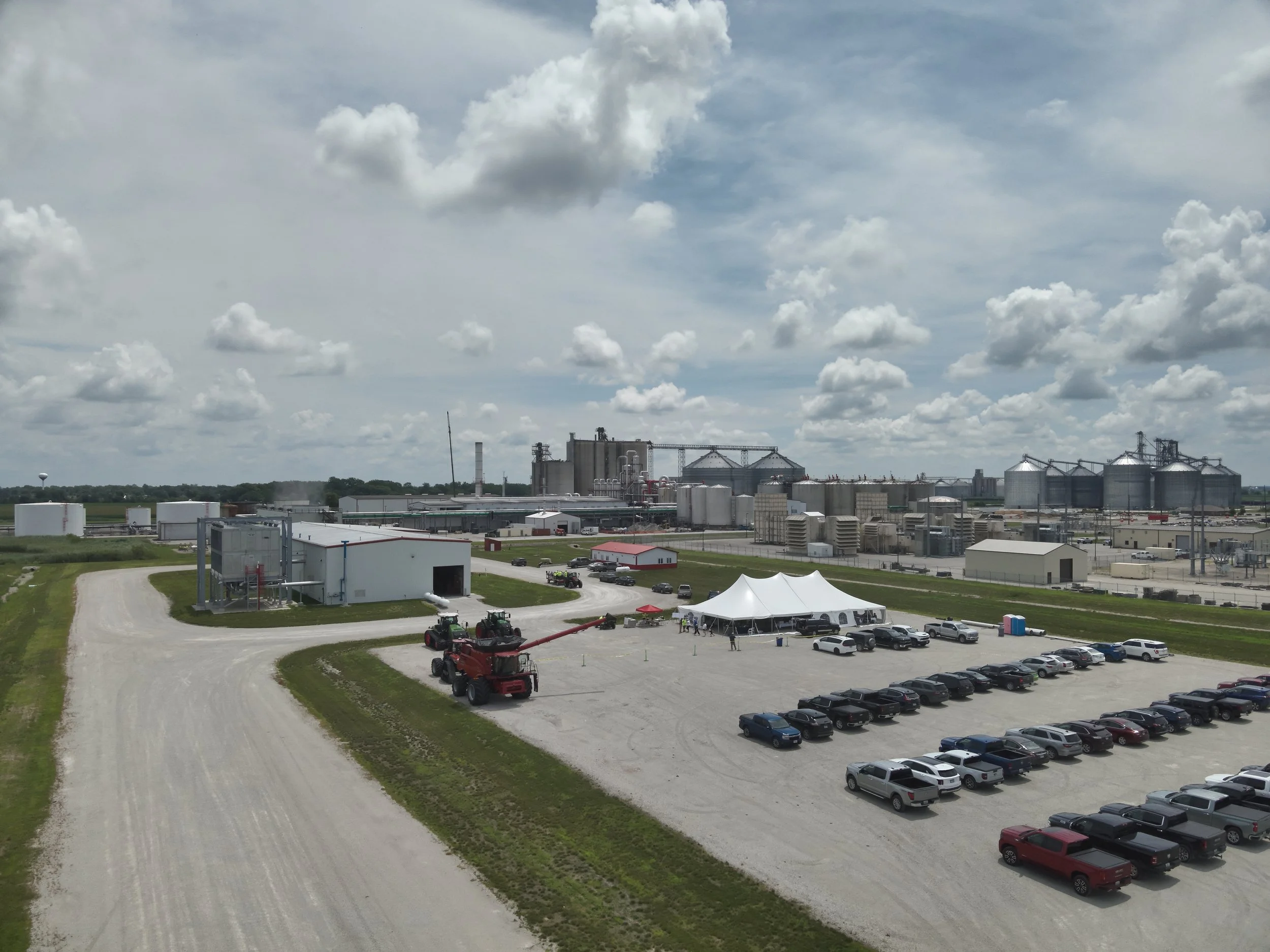
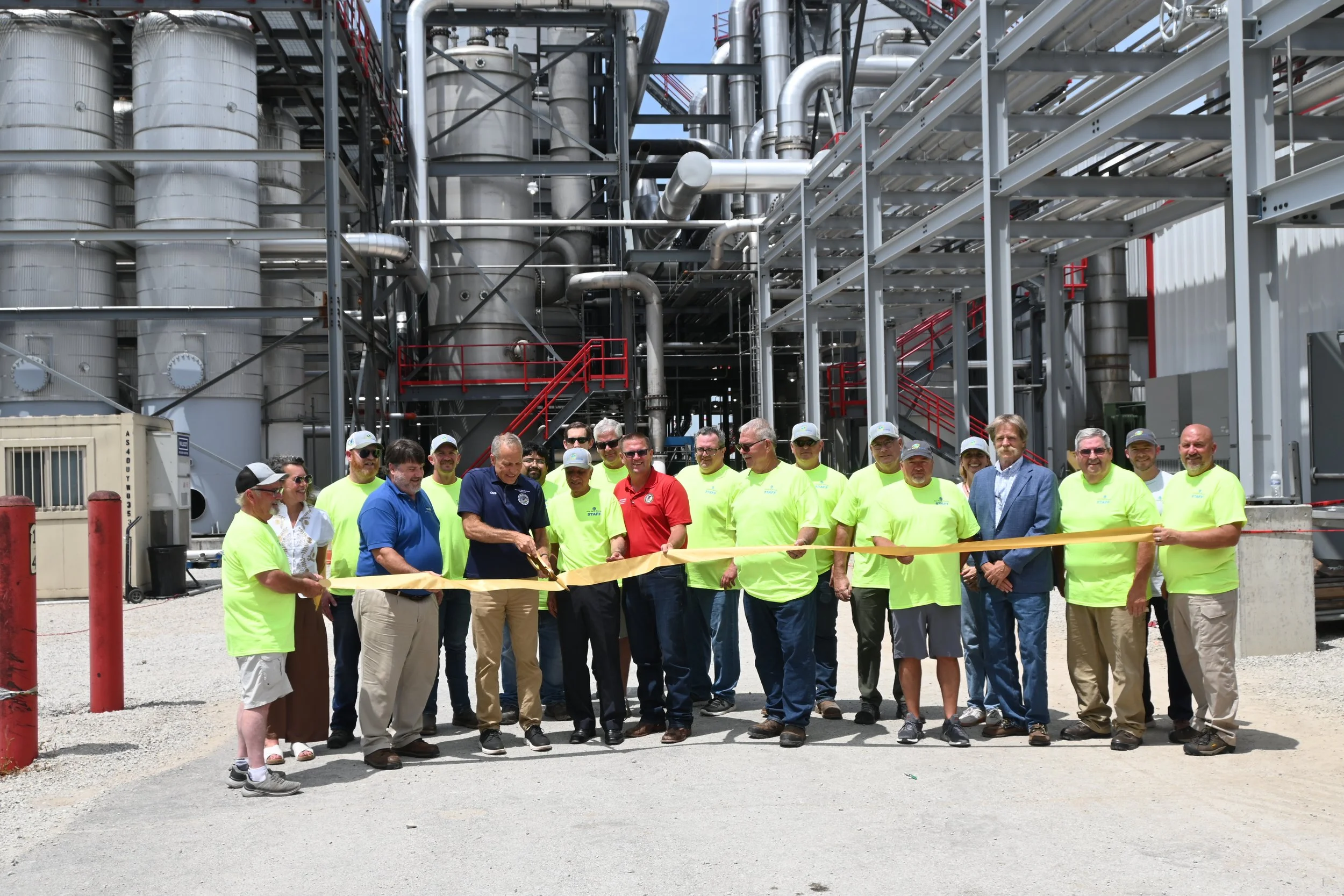
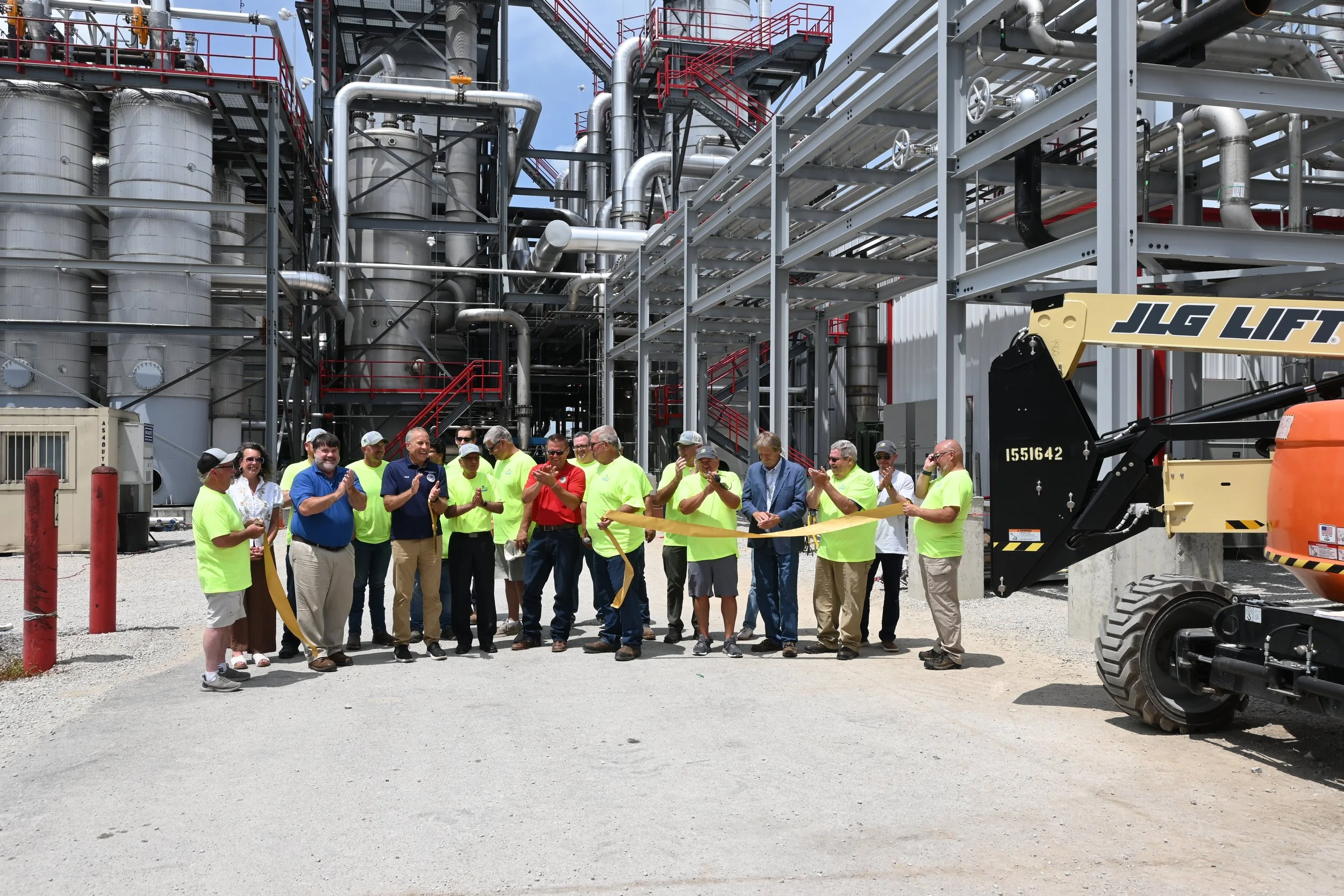
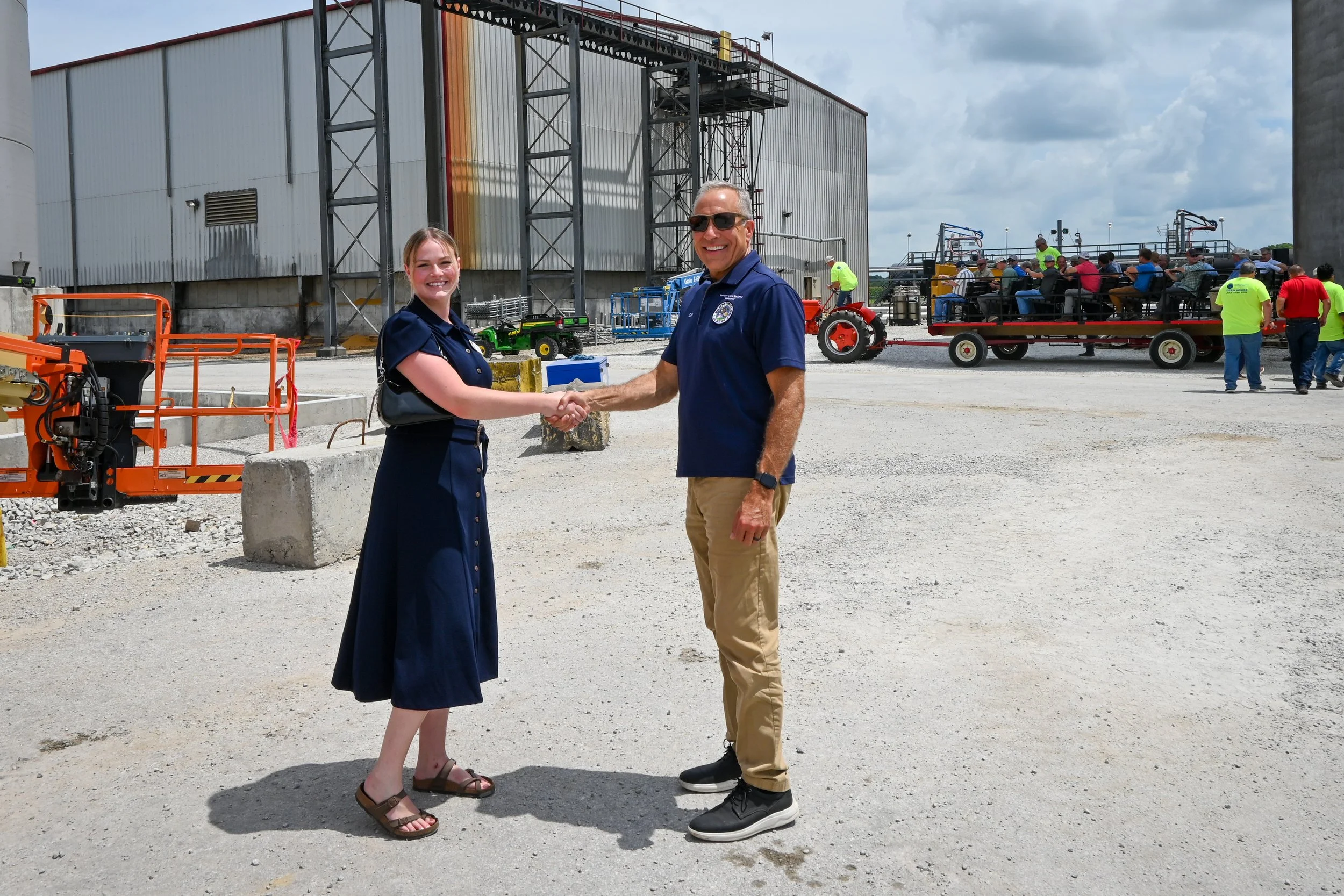
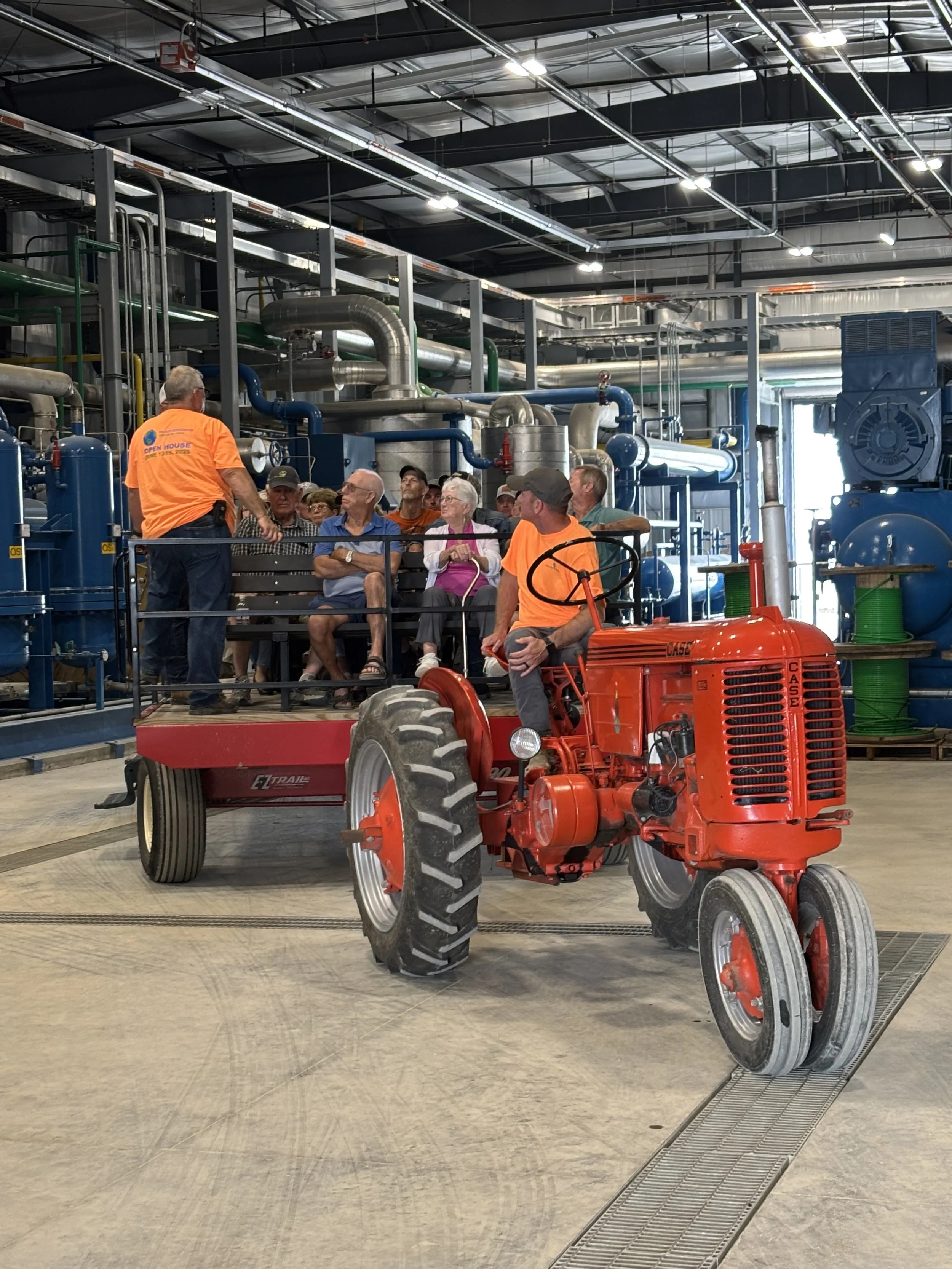
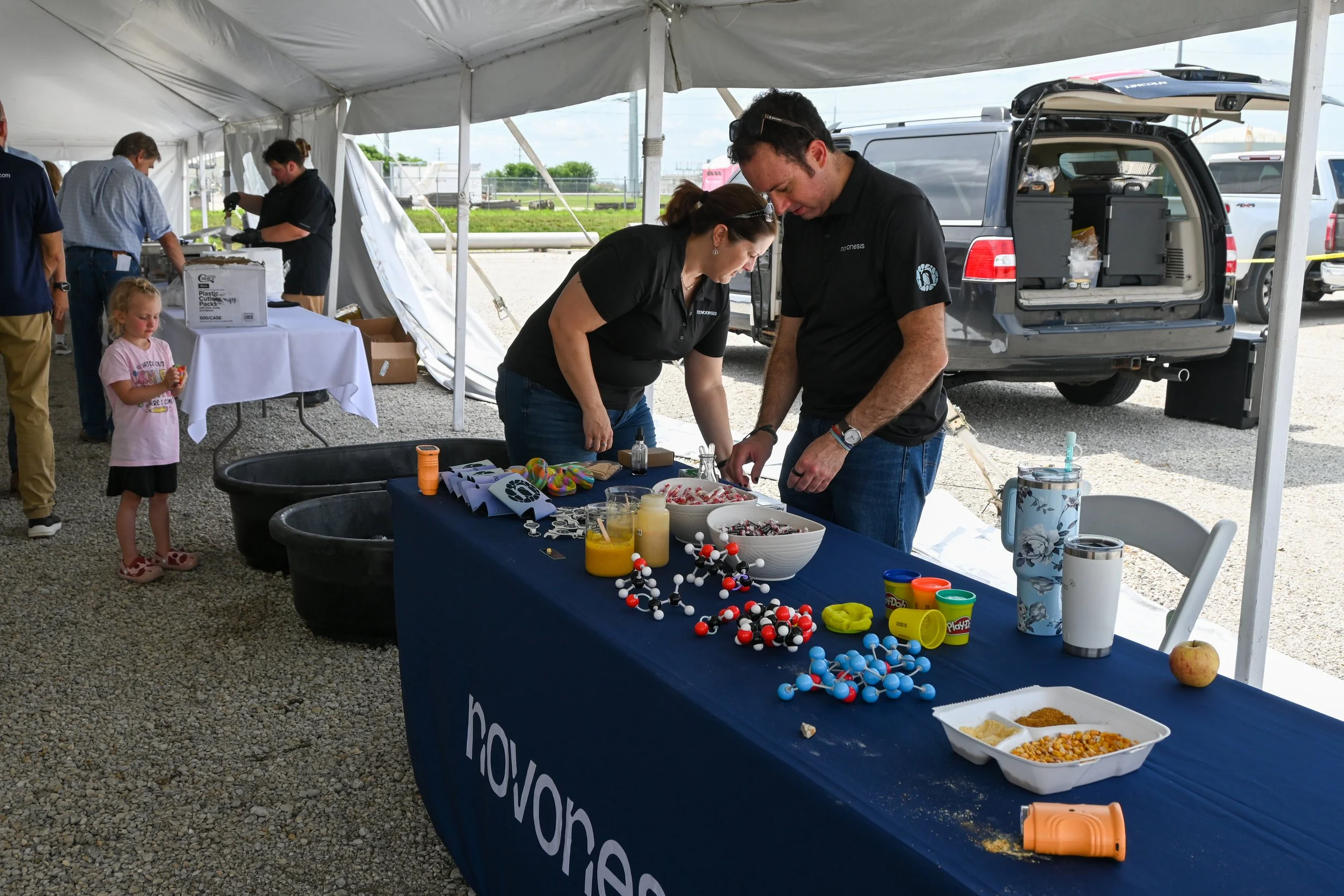
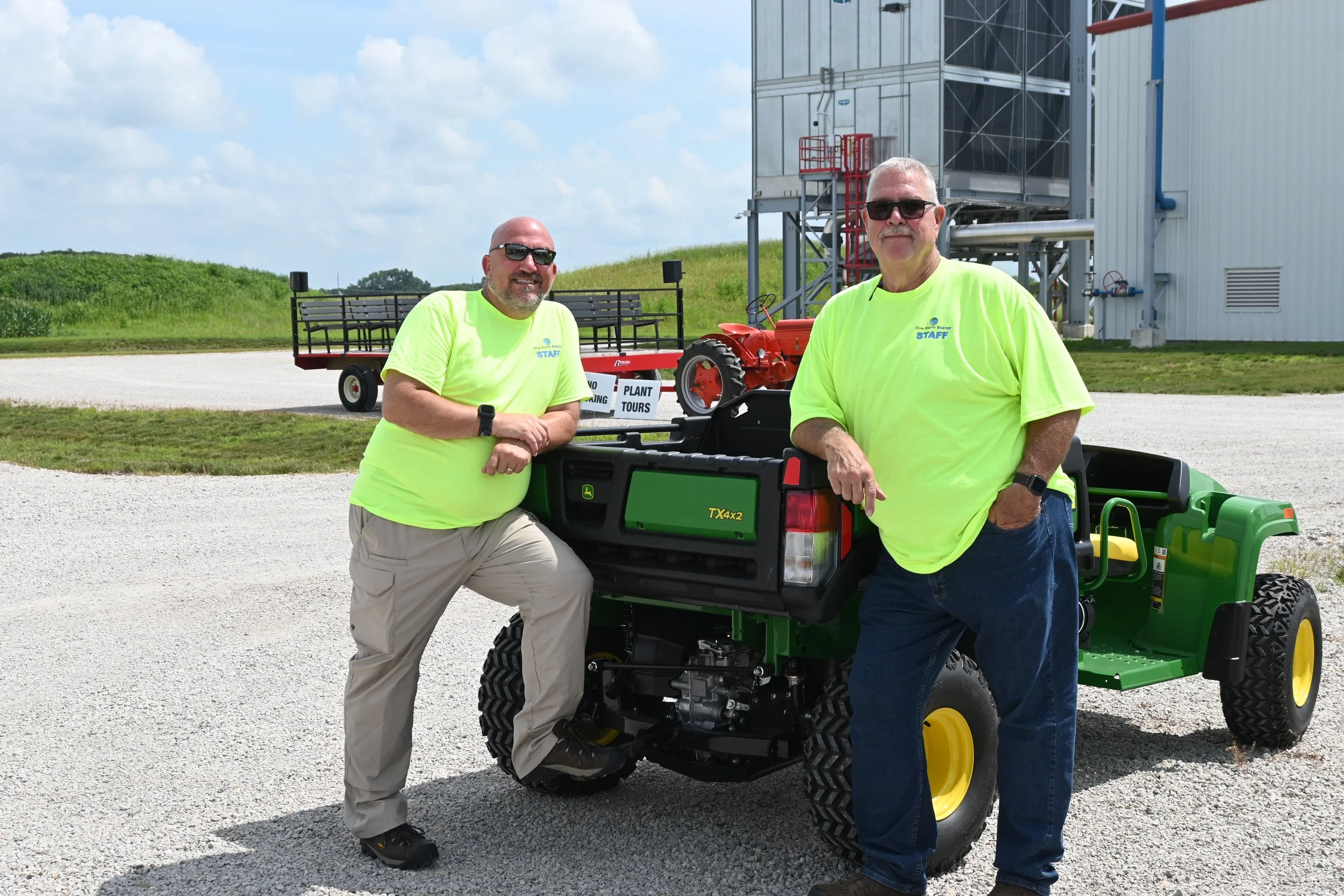
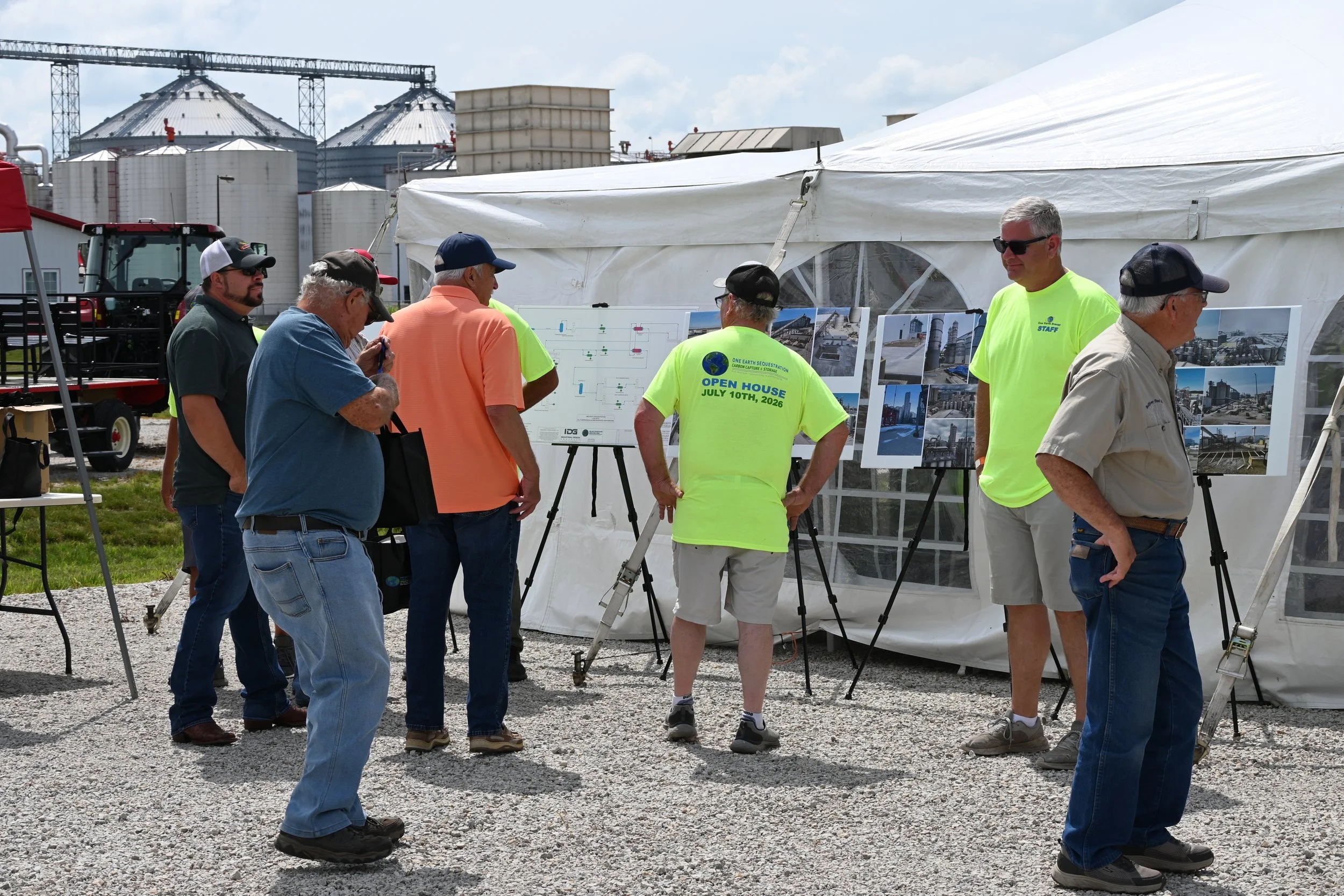
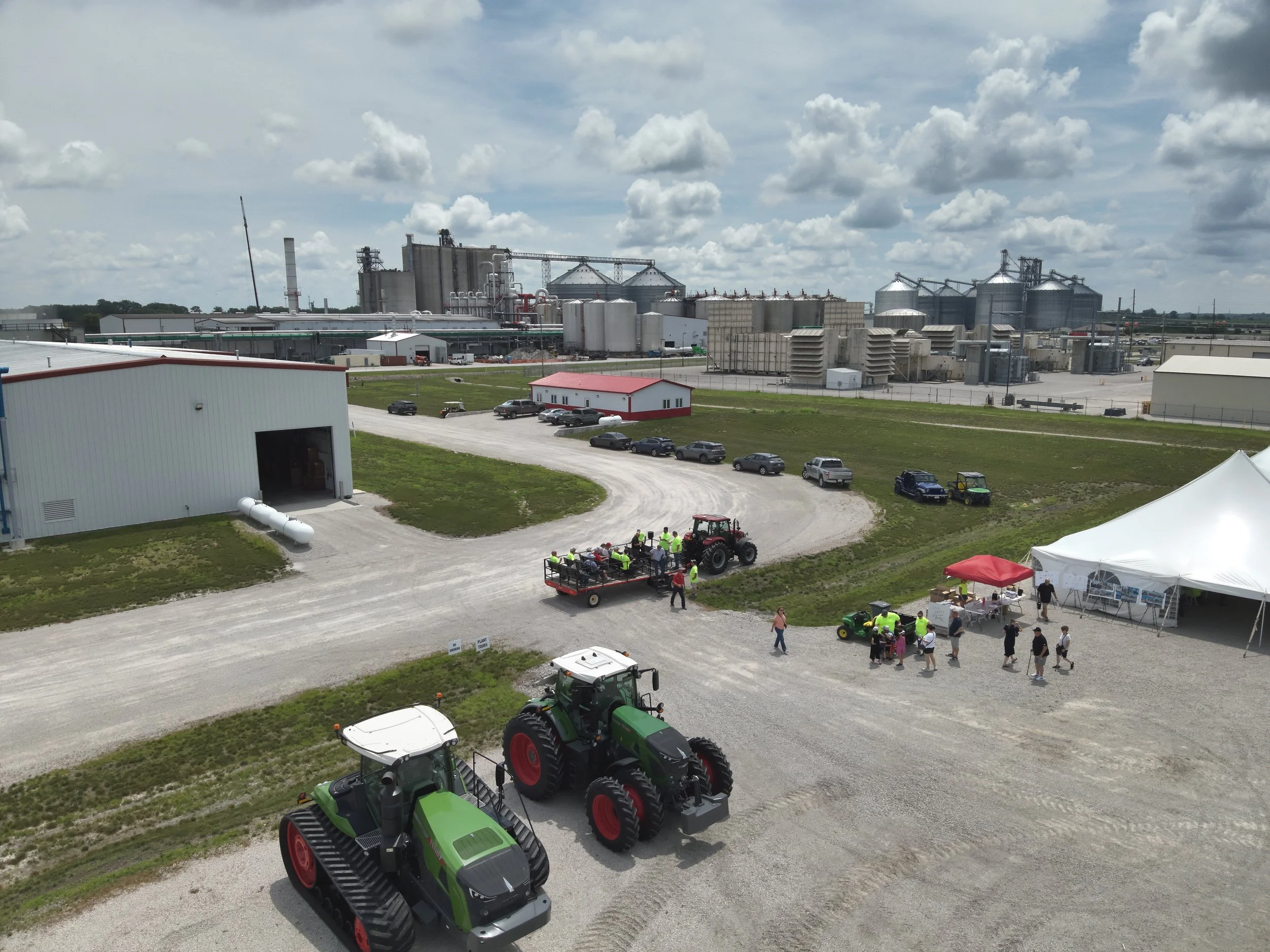
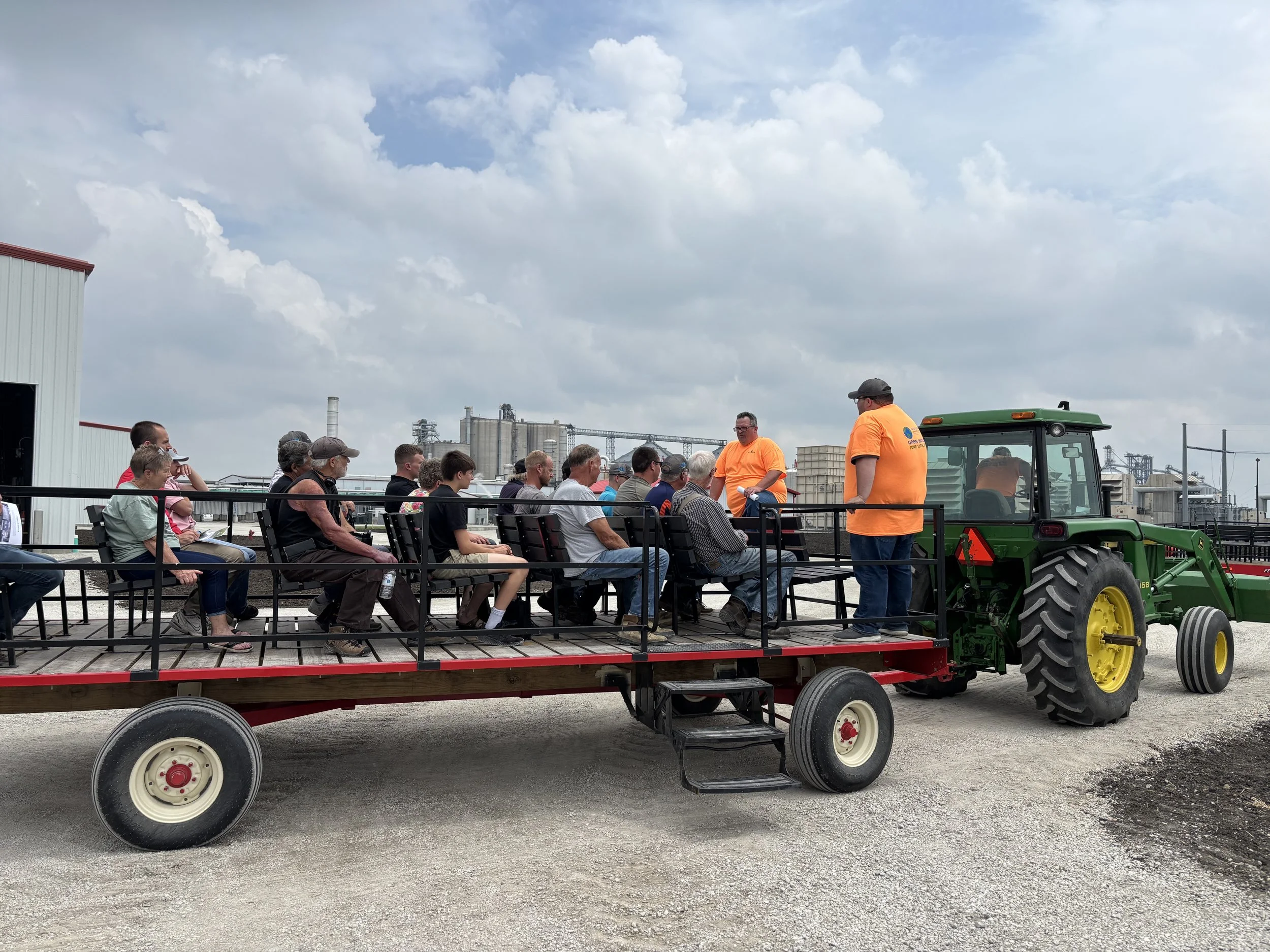
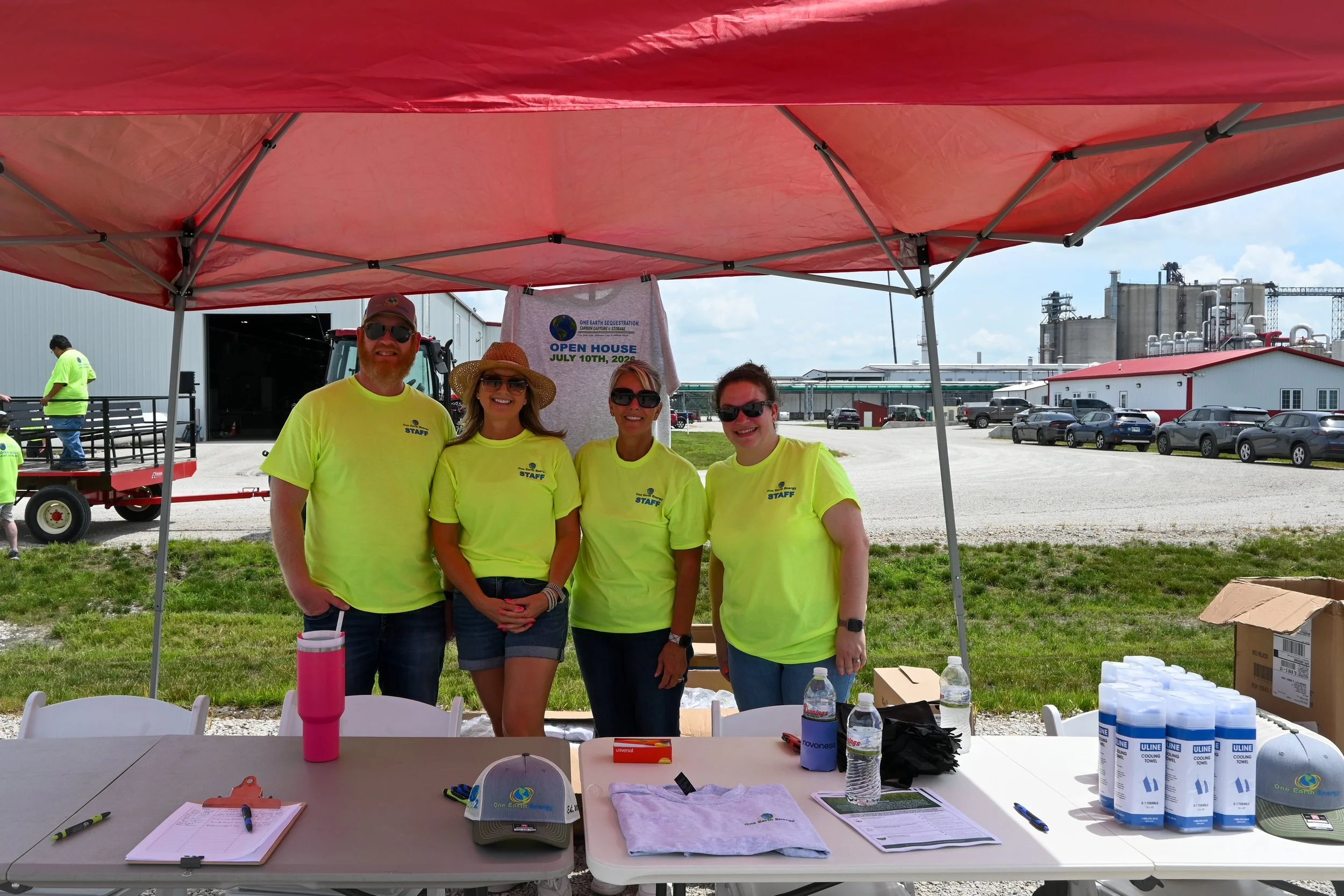
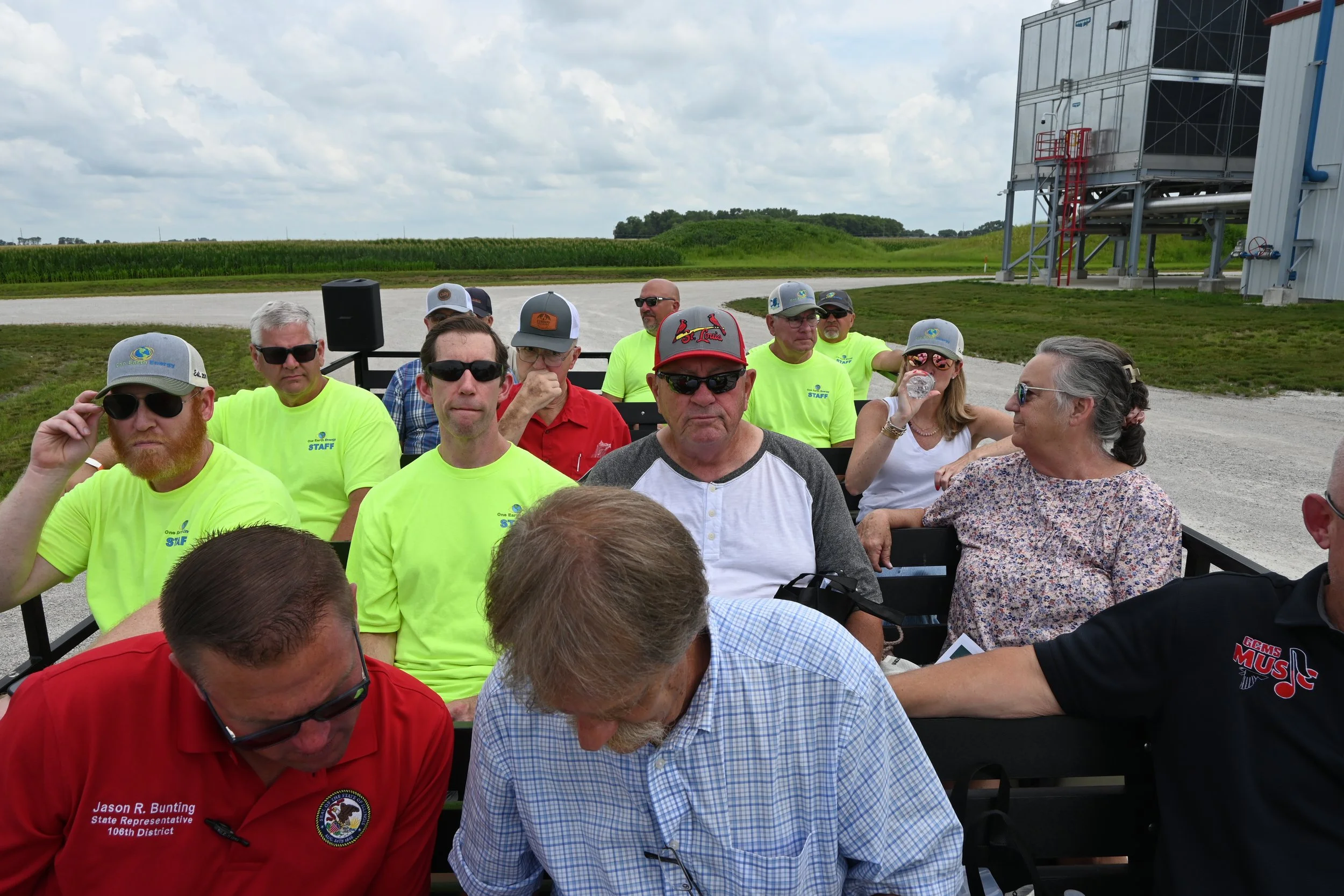
One Earth Energy and One Earth Sequestration hosted the second annual Open House as part of their Community Appreciation Day. The event provided community members with an opportunity to tour the expanding ethanol plant and the carbon dioxide compression and dehydration facility. The day also featured a ribbon-cutting ceremony celebrating the ethanol plant expansion. One Earth was pleased with the strong community turnout and looks forward to hosting similar events in the future.
Community Outreach – Gibson City (June 13, 2025)
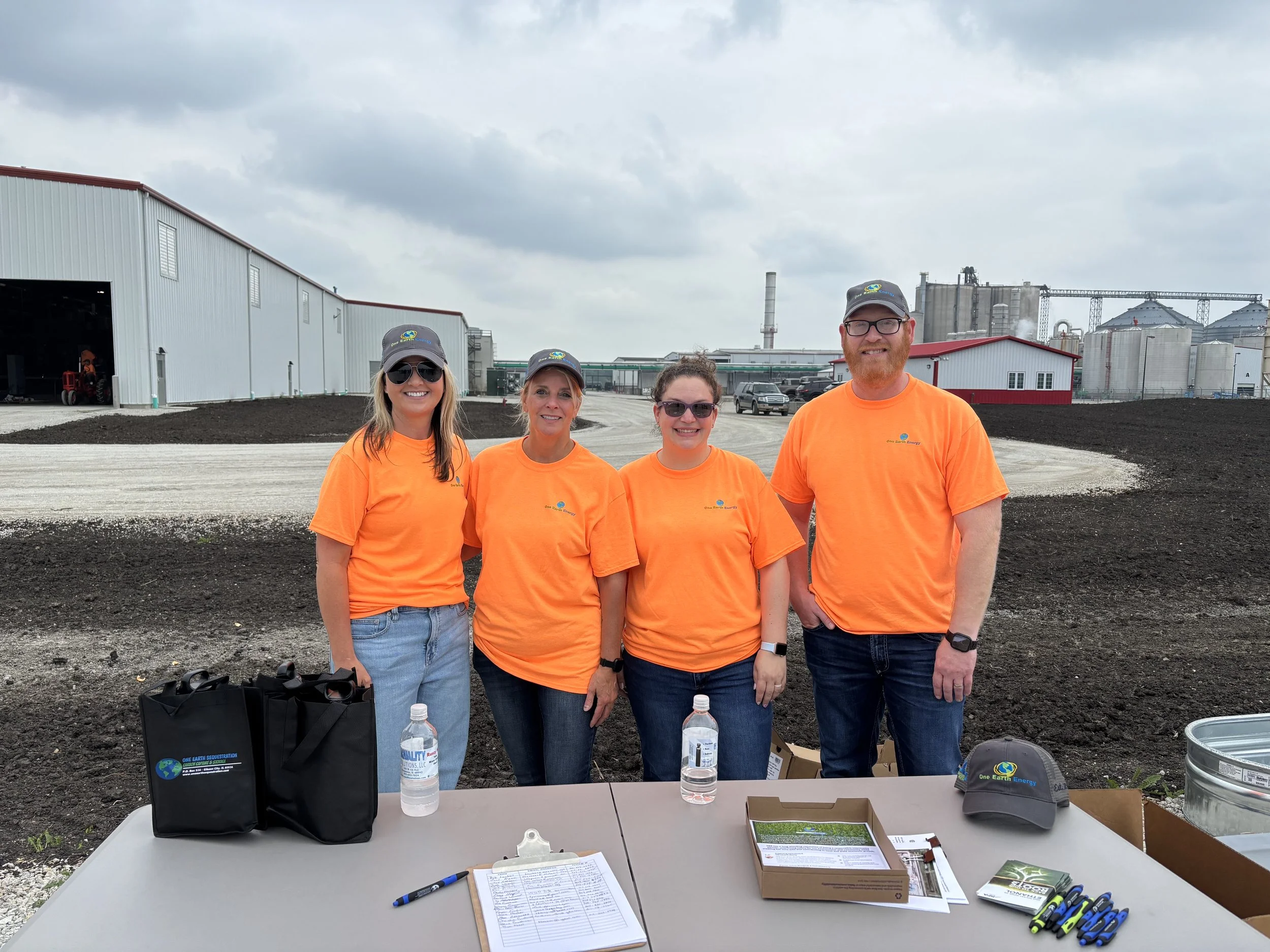
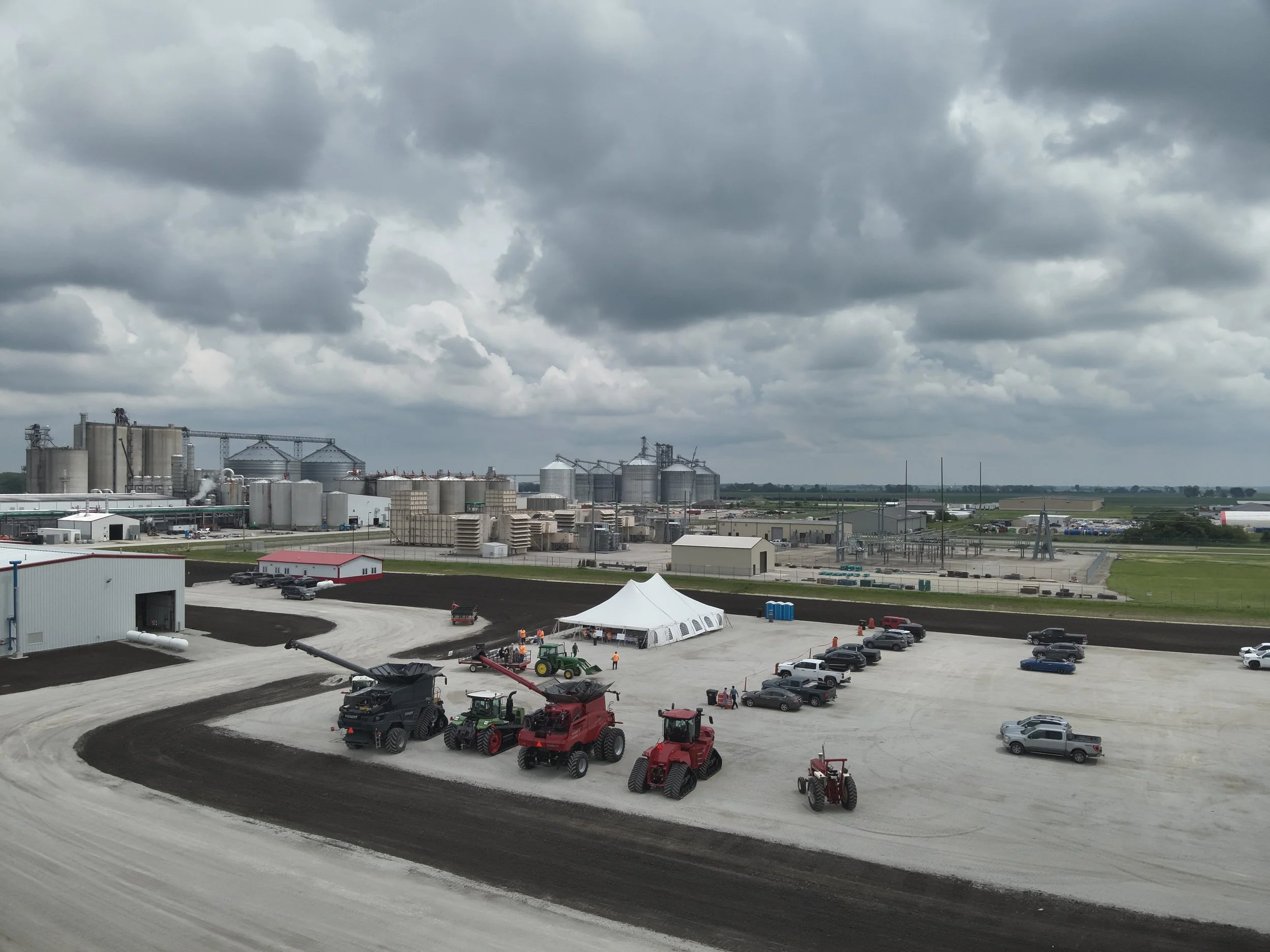
One Earth Energy and One Earth Sequestration hosted the first annual Open House as part of their Community Appreciation Day. The event provided community members with an opportunity to tour the expanding ethanol plant and the carbon dioxide compression and dehydration facility and share in our exciting project.
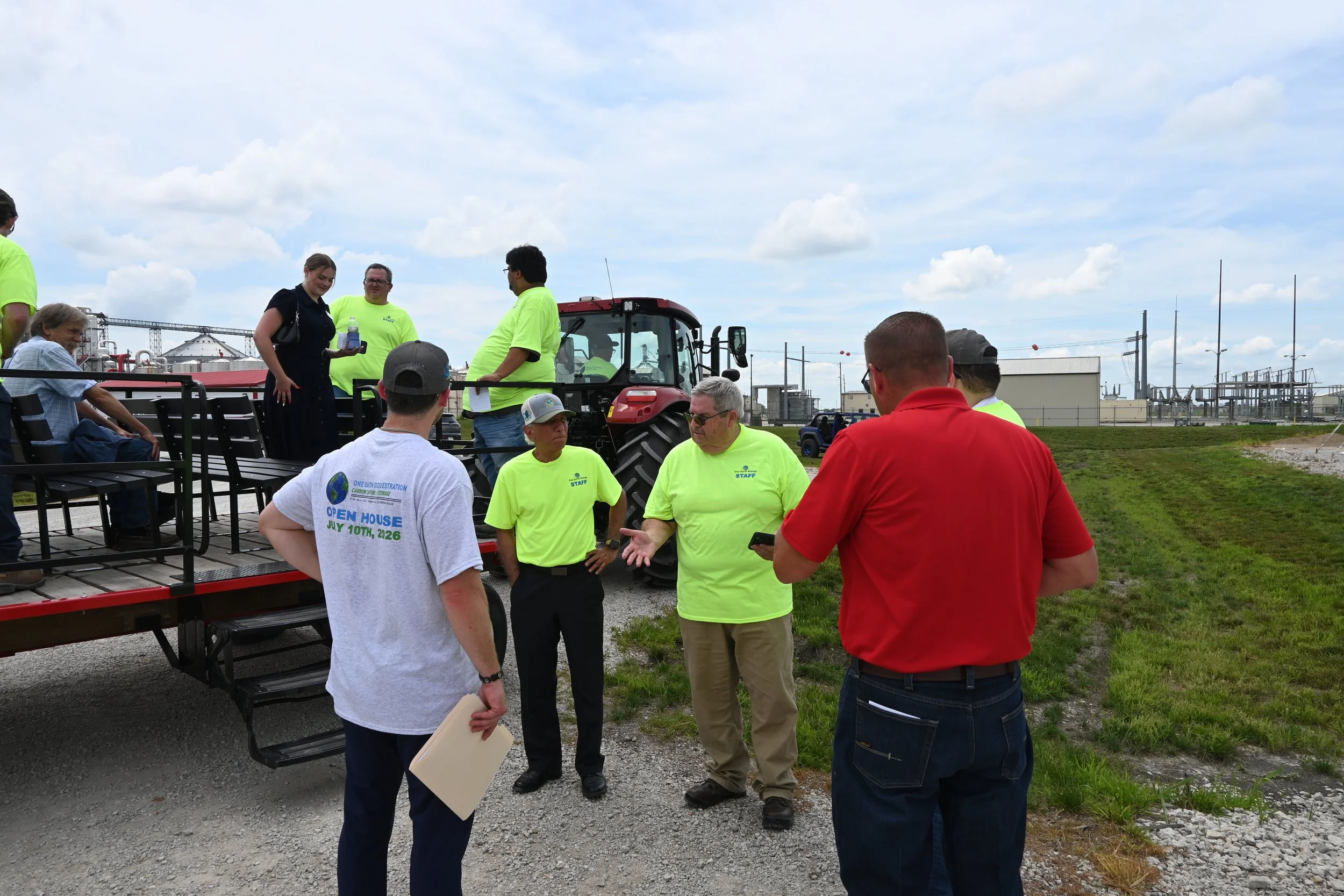
Community Outreach – Kempton (July 12, 2026)
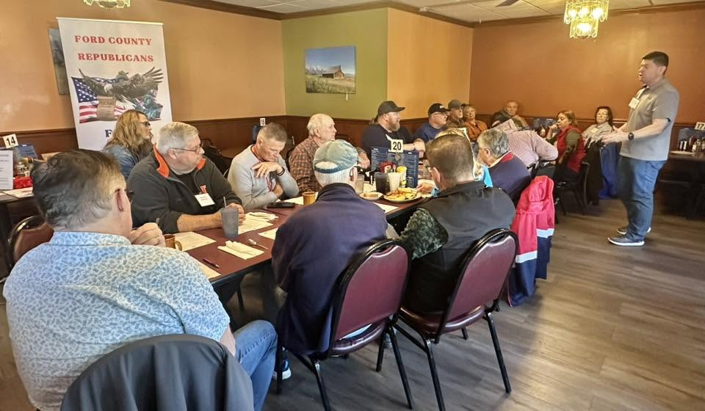
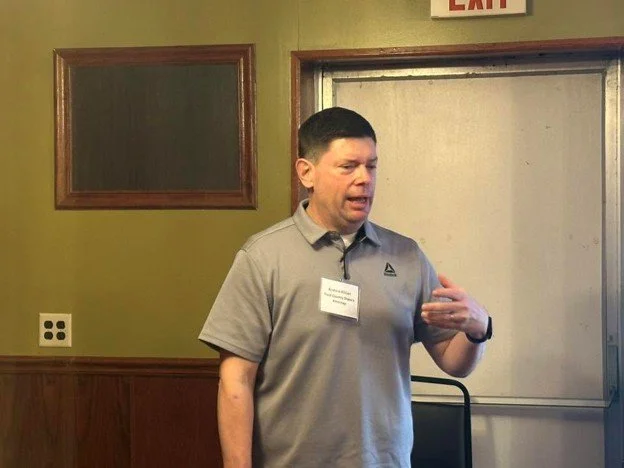
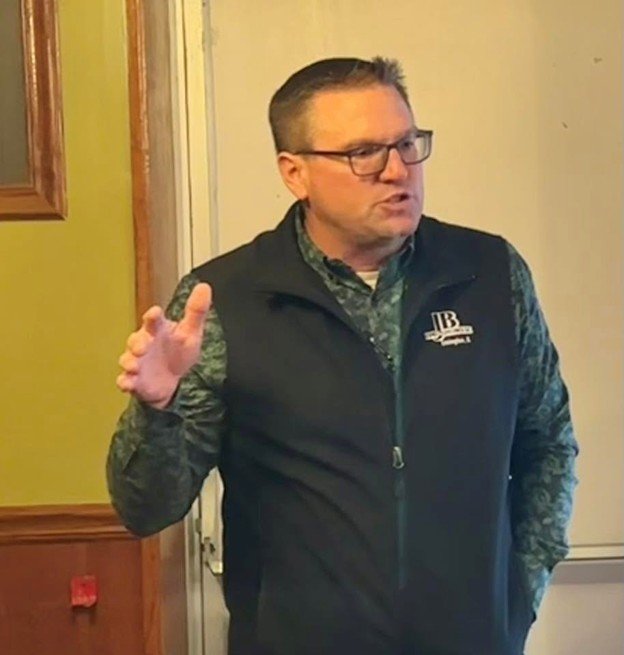
One Earth Sequestration representative attended Ford County Republican Breakfast at the Tom’s Tavern in Kempton.
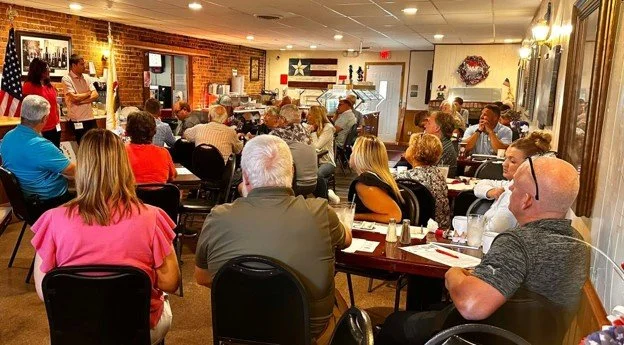


Community Outreach – Gibson City (April 11, 2026)
One Earth Sequestration representative attended Ford County Republican Breakfast at the Blue Star Cafe in Gibson City.